气力输送系统全解析:从密相到负压,一文读懂不同输送方式的工作原理与应用场景
Full analysis of pneumatic conveying system: from dense phase to negative pressure, this article explains the working principles and application scenarios of different conveying methods
在工业生产中,粉体和散状物料的输送是一个非常重要的环节。传统的输送方式往往存在效率低、能耗高、易污染等问题,而气力输送系统则凭借其高效、节能、环保等优势,逐渐成为了工业输送领域的主流选择。今天,我们就来详细了解一下气力输送系统的不同类型、工作原理和应用场景。
In industrial production, the transportation of powders and bulk materials is a very important link. Traditional conveying methods often have problems such as low efficiency, high energy consumption, and easy pollution, while pneumatic conveying systems have gradually become the mainstream choice in the industrial conveying field due to their advantages of high efficiency, energy saving, and environmental protection. Today, we will take a detailed look at the different types, working principles, and application scenarios of pneumatic conveying systems.
气力输送系统是一种利用气流作为输送介质,将粉体和散状物料从一个地方输送到另一个地方的技术。根据输送方式的不同,气力输送系统可以分为密相气力输送、稀相气力输送和负压输送等多种类型。
Pneumatic conveying system is a technology that uses airflow as a conveying medium to transport powders and bulk materials from one place to another. According to different conveying methods, pneumatic conveying systems can be divided into various types such as dense phase pneumatic conveying, dilute phase pneumatic conveying, and negative pressure conveying.
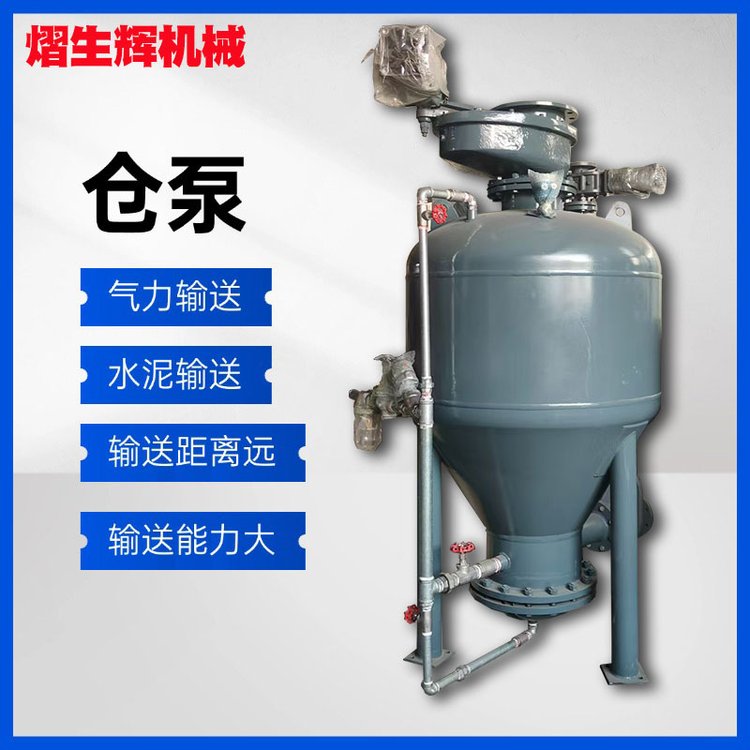
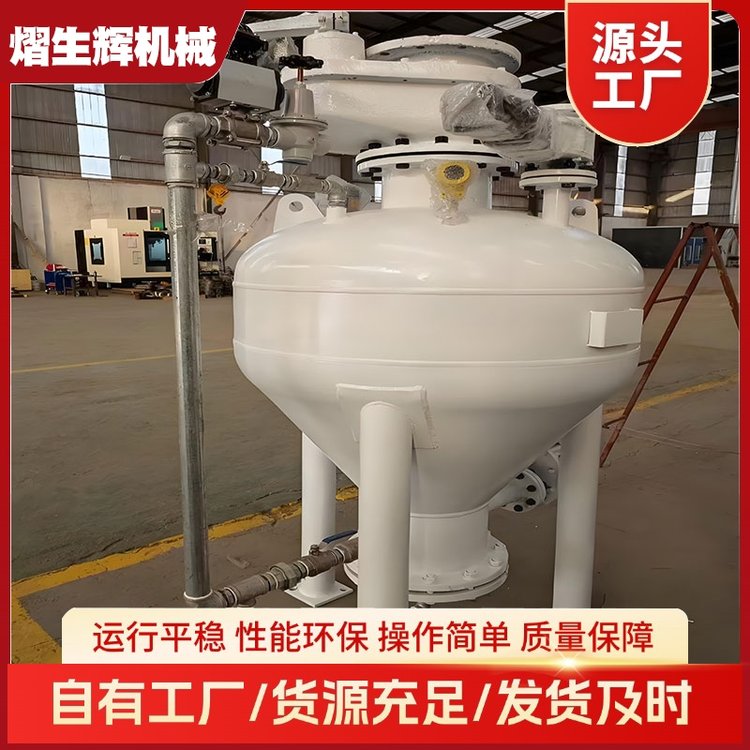
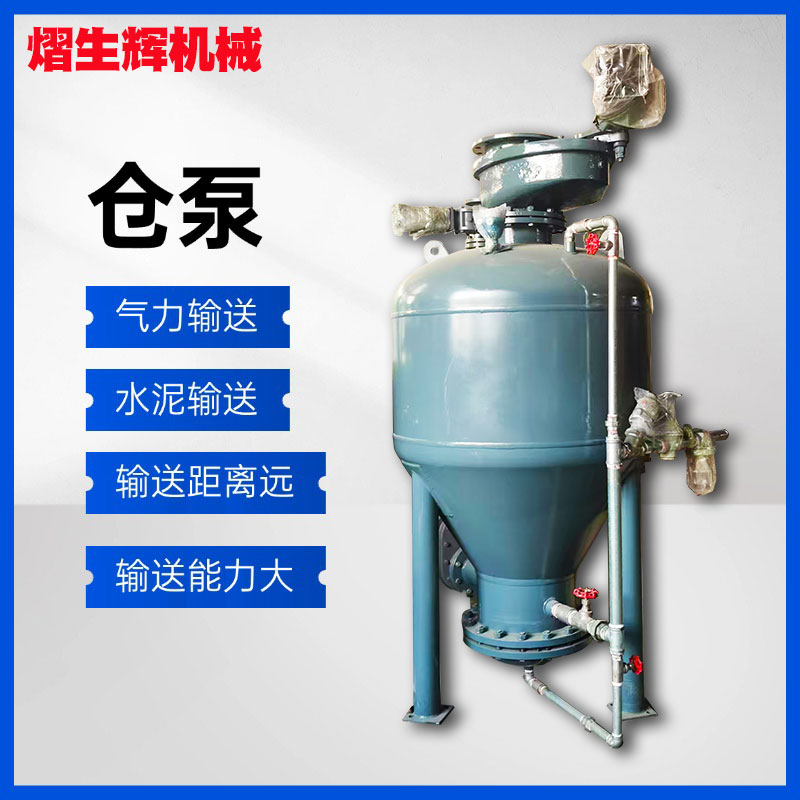
密相气力输送是一种适用于对产品质量要求较高的输送方式。它通过压力罐将物料以较高的料气比低速输送,能够实现散装物料的轻柔节能输送。密相气力输送系统的工作原理是:将物料装入压力罐中,然后通过压缩空气将物料从压力罐中压出,经过输送管道输送到目的地。由于物料在输送过程中是以密集的状态移动,因此可以减少输送对物料堆积密度和粒度分布的影响,有效降低混合后物料出现分层的现象。同时,压力罐内无转动部件,降低了维护成本,优化的料气比也使系统更加节能。密相气力输送系统适用于输送易磨、易碎、粒度不均或边缘锋利的难处理产品,如化工原料、食品添加剂、医药中间体等。
Dense phase pneumatic conveying is a conveying method suitable for products with high quality requirements. It transports materials at a high material to gas ratio and low speed through a pressure tank, achieving gentle and energy-saving transportation of bulk materials. The working principle of the dense phase pneumatic conveying system is to load the material into a pressure tank, and then press the material out of the pressure tank through compressed air, and transport it to the destination through the conveying pipeline. Due to the dense movement of materials during transportation, the impact of transportation on material packing density and particle size distribution can be reduced, effectively reducing the phenomenon of material layering after mixing. At the same time, there are no rotating parts inside the pressure tank, which reduces maintenance costs, and the optimized material to gas ratio also makes the system more energy-efficient. The dense phase pneumatic conveying system is suitable for conveying difficult to process products that are prone to abrasion, fragility, uneven particle size, or sharp edges, such as chemical raw materials, food additives, pharmaceutical intermediates, etc.
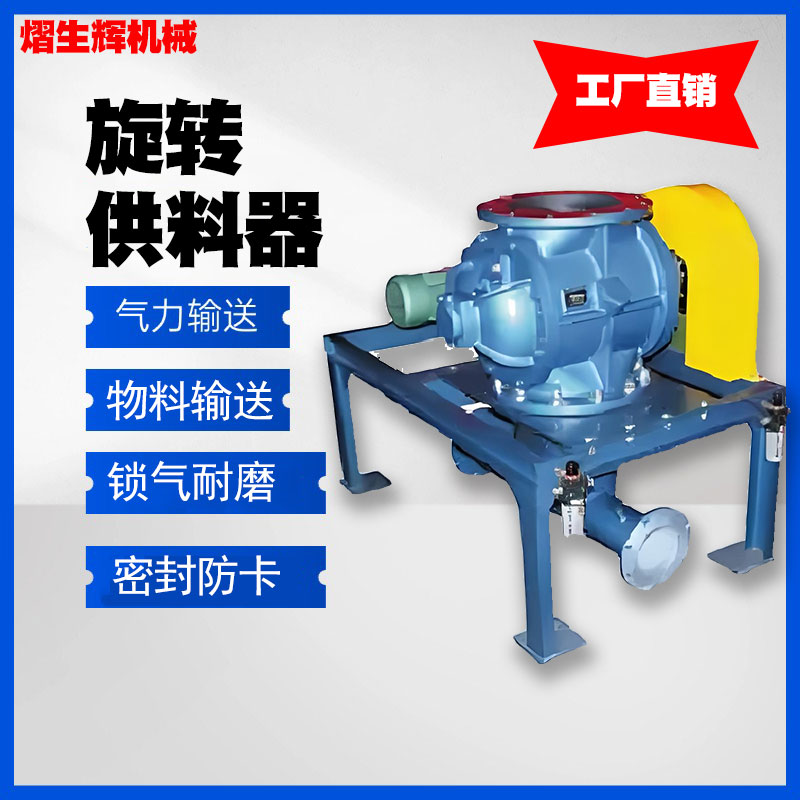
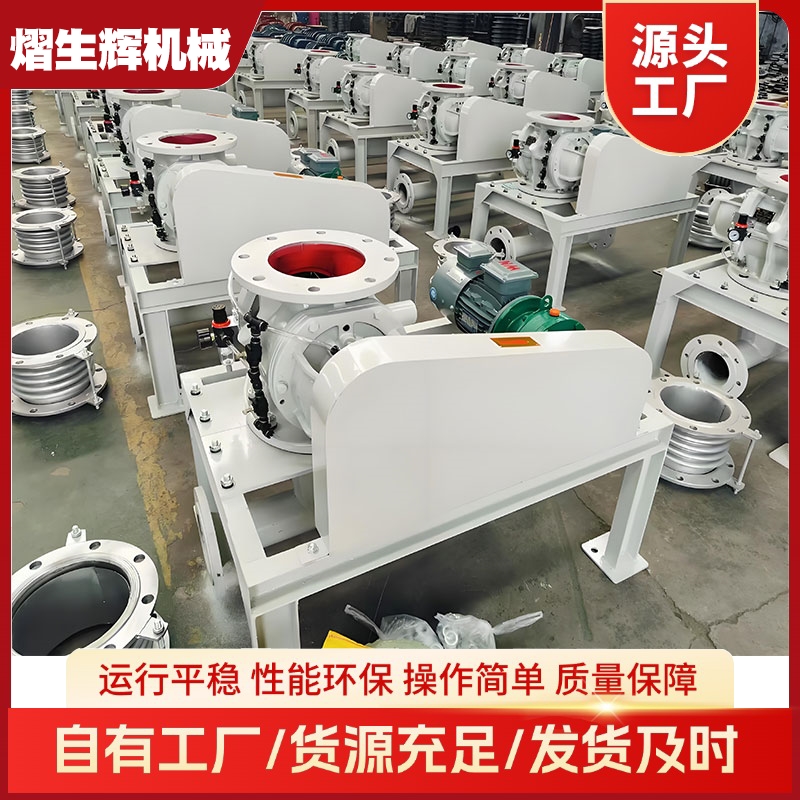
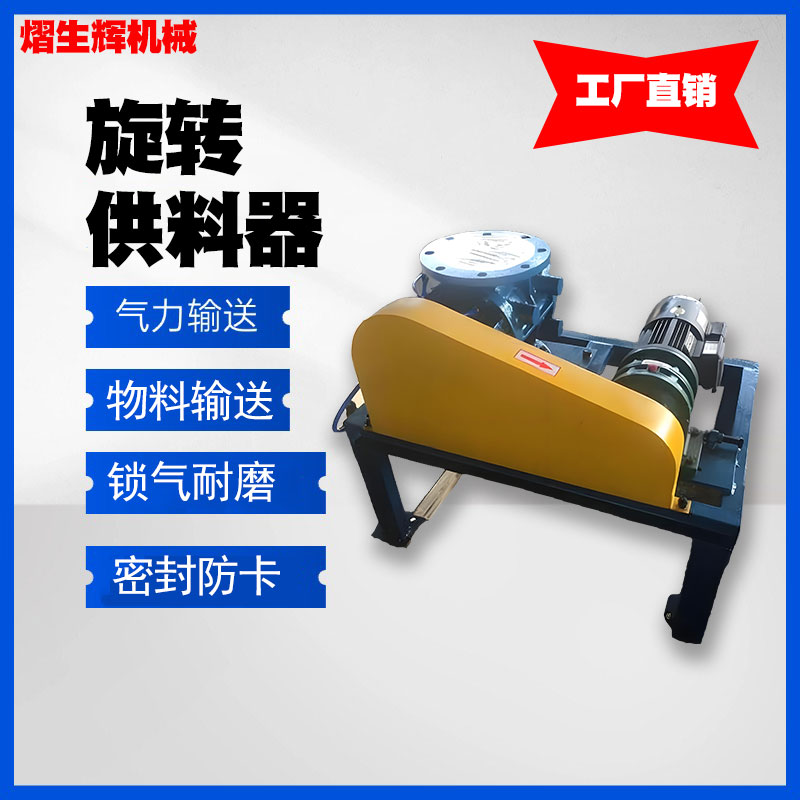
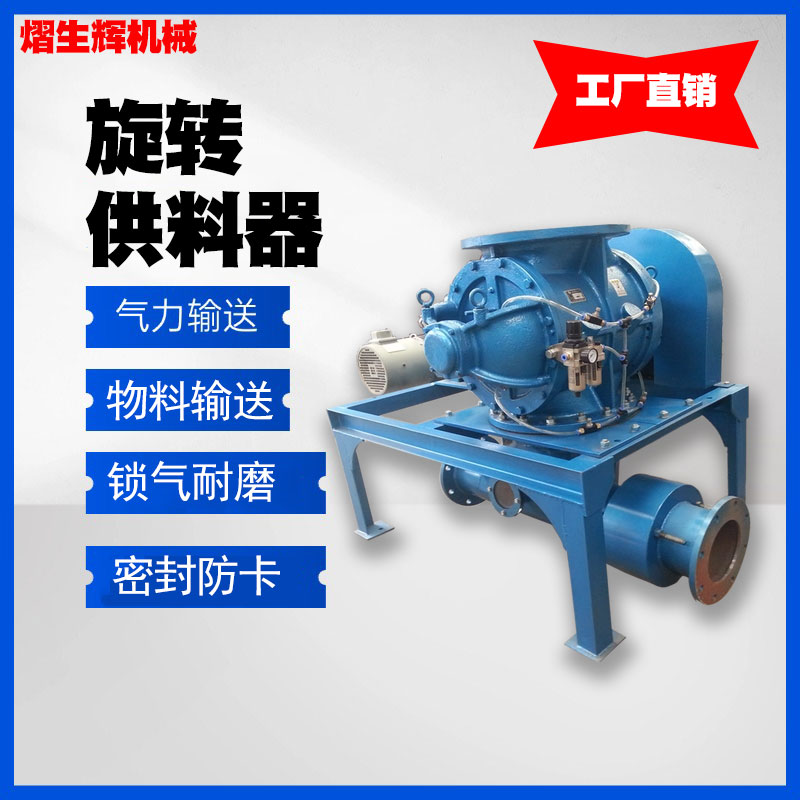
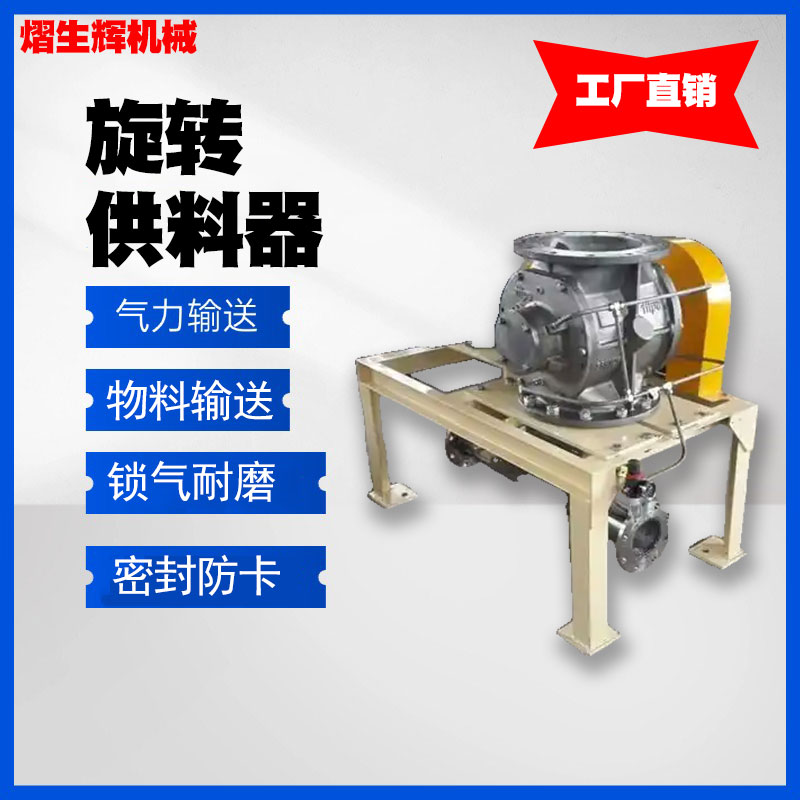
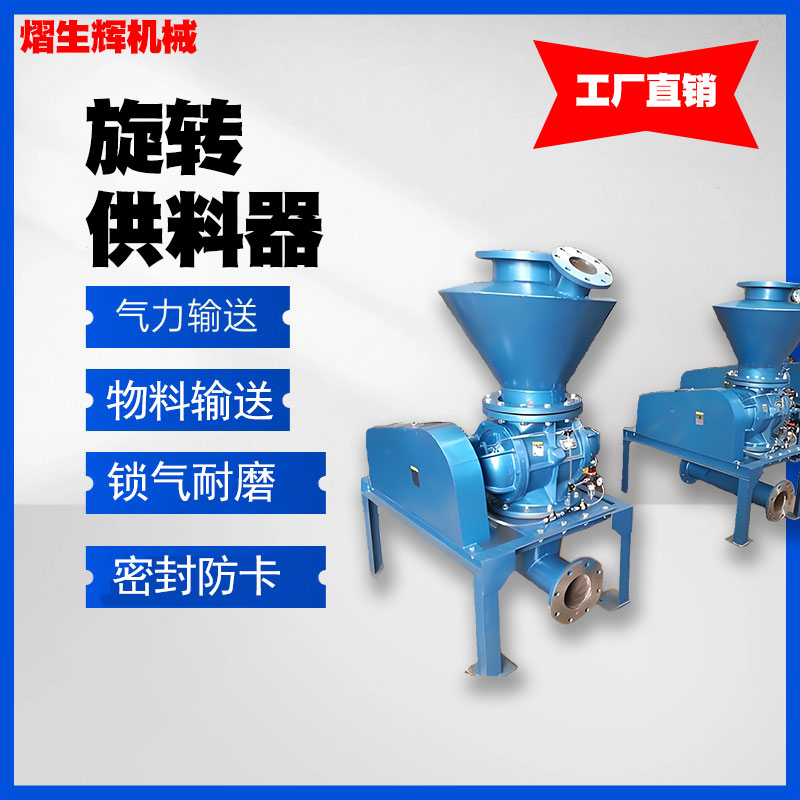
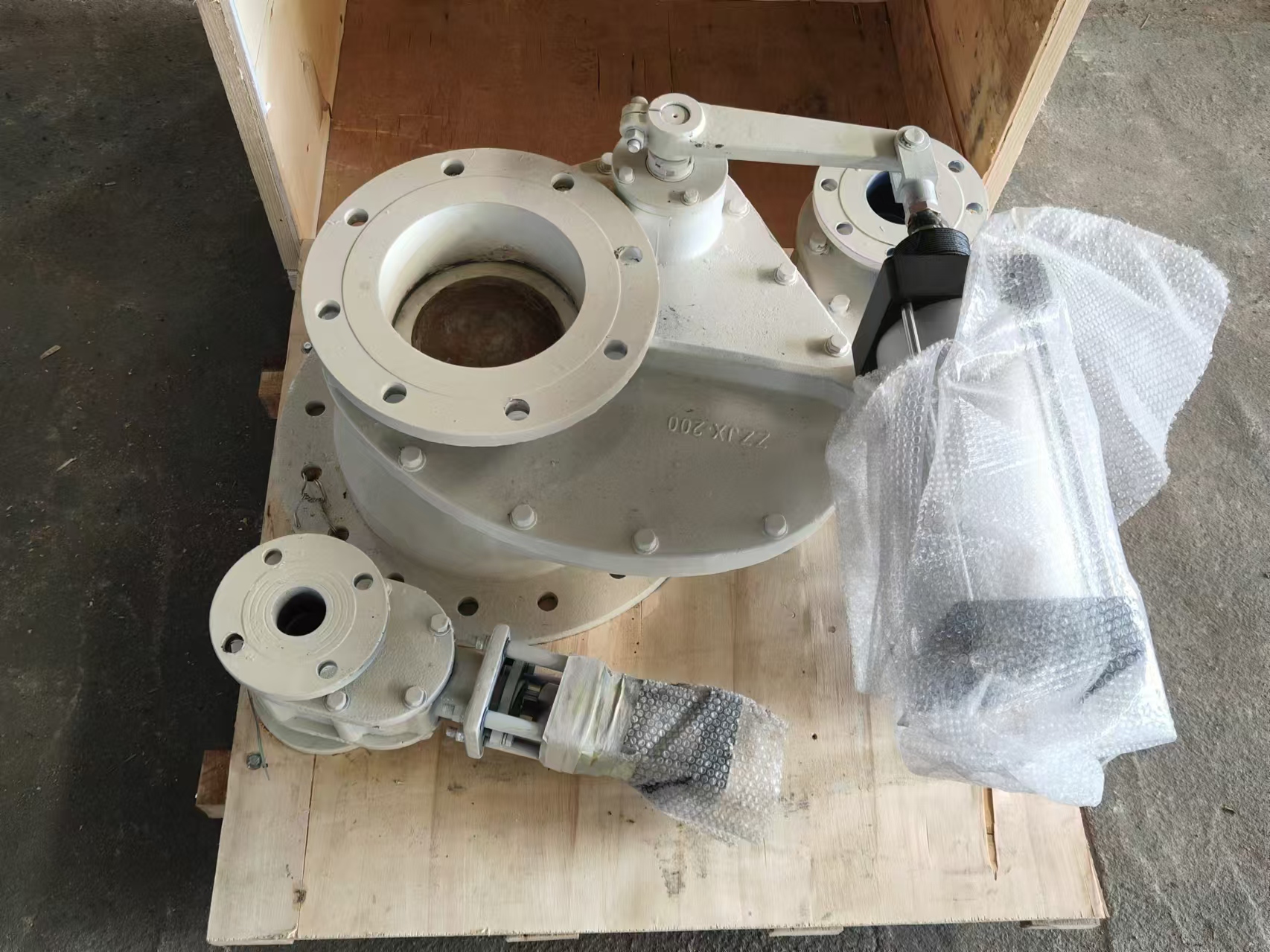
稀相气力输送则是一种易于实施、投资成本低的输送方式。它采用正压或负压的方式,将物料以较低的料气比高速输送,能够满足多种输送需求,尤其适合非敏感及不磨管粉体或散状物料。稀相气力输送系统的工作原理是:通过旋转阀将物料送入输送管道中,然后利用气流将物料输送到目的地。旋转阀在稀相气力输送中起着至关重要的作用,它可以调节输送能力,确保系统的稳定运行。稀相气力输送系统的优势在于系统配置简单、占地面积小、投资成本低,并且可以通过调节旋转阀转速改变输送能力。它适用于输送粮食、饲料、水泥、粉煤灰等物料。
Dilute phase pneumatic conveying is an easy to implement and low-cost conveying method. It uses positive or negative pressure to transport materials at high speed with a low material to gas ratio, which can meet various transportation needs, especially suitable for non sensitive and non abrasive powder or bulk materials. The working principle of the dilute phase pneumatic conveying system is to feed the material into the conveying pipeline through a rotary valve, and then use airflow to transport the material to the destination. Rotary valves play a crucial role in dilute phase pneumatic conveying, as they can adjust the conveying capacity and ensure the stable operation of the system. The advantages of dilute phase pneumatic conveying system are simple system configuration, small footprint, low investment cost, and the ability to change conveying capacity by adjusting the speed of the rotary valve. It is suitable for transporting materials such as grain, feed, cement, fly ash, etc.
负压输送是一种利用负压气流进行物料输送的方式。它通过文丘里喷射器或真空泵产生负压,将物料从一个地方吸入输送管道中,然后输送到目的地。负压输送系统的工作原理是:在输送管道的一端产生负压,使物料在大气压的作用下被吸入管道中,然后通过气流将物料输送到另一端。负压输送系统的优势在于无尘输送,将潜在泄漏控制在内部,适用于输送易燃易爆、有毒有害的物料,如面粉、糖粉、化工粉末等。同时,负压输送系统还具有紧凑轻便、支持批次或连续输送等特点。
Negative pressure conveying is a method of conveying materials using negative pressure airflow. It generates negative pressure through a Venturi injector or vacuum pump, sucks materials from one place into a conveying pipeline, and then transports them to the destination. The working principle of the negative pressure conveying system is to generate negative pressure at one end of the conveying pipeline, causing the material to be sucked into the pipeline under atmospheric pressure, and then conveyed to the other end through airflow. The advantage of negative pressure conveying system lies in dust-free conveying, which controls potential leaks inside and is suitable for conveying flammable, explosive, toxic and harmful materials such as flour, sugar powder, chemical powder, etc. At the same time, the negative pressure conveying system also has the characteristics of being compact and lightweight, supporting batch or continuous conveying.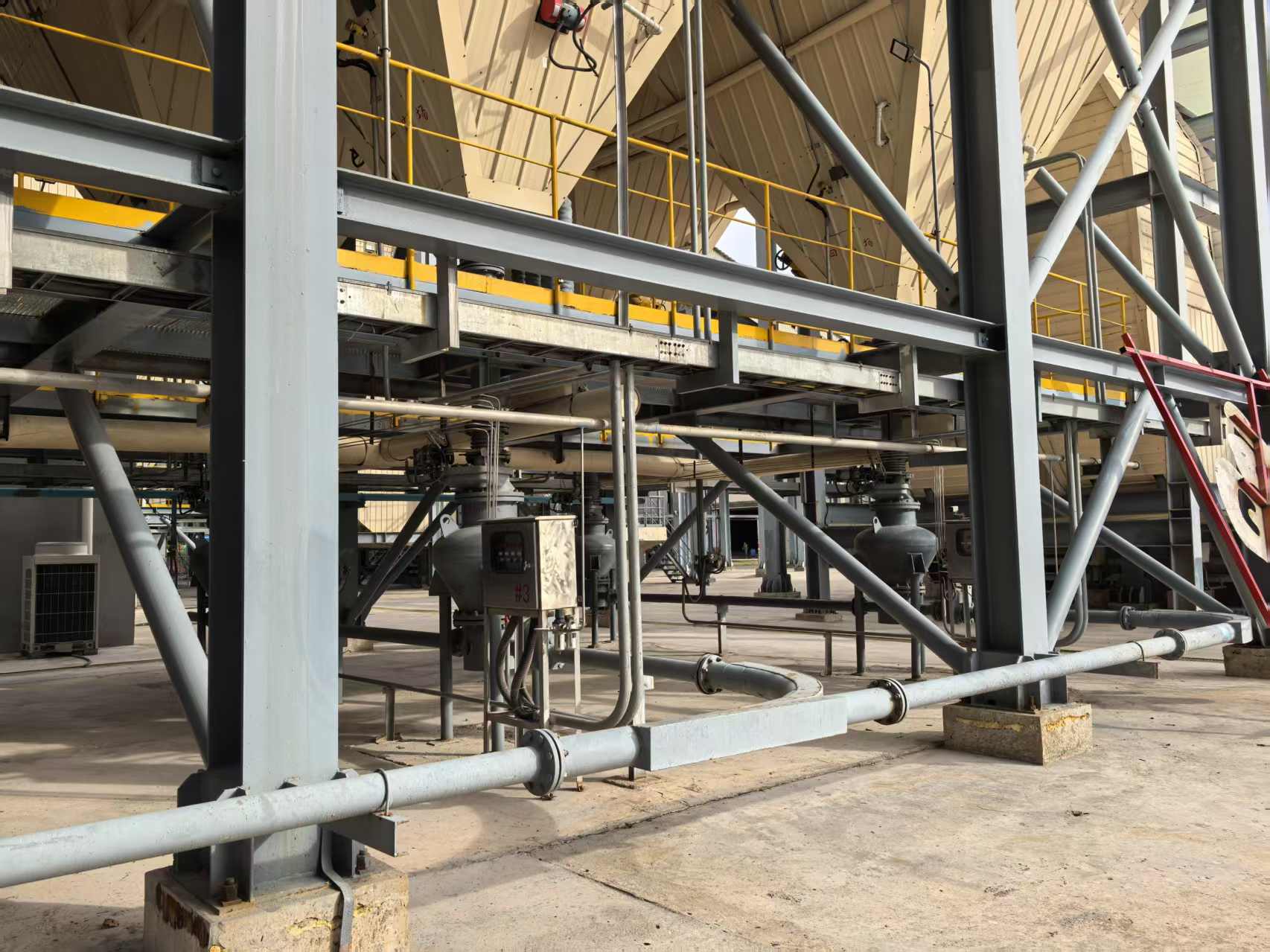
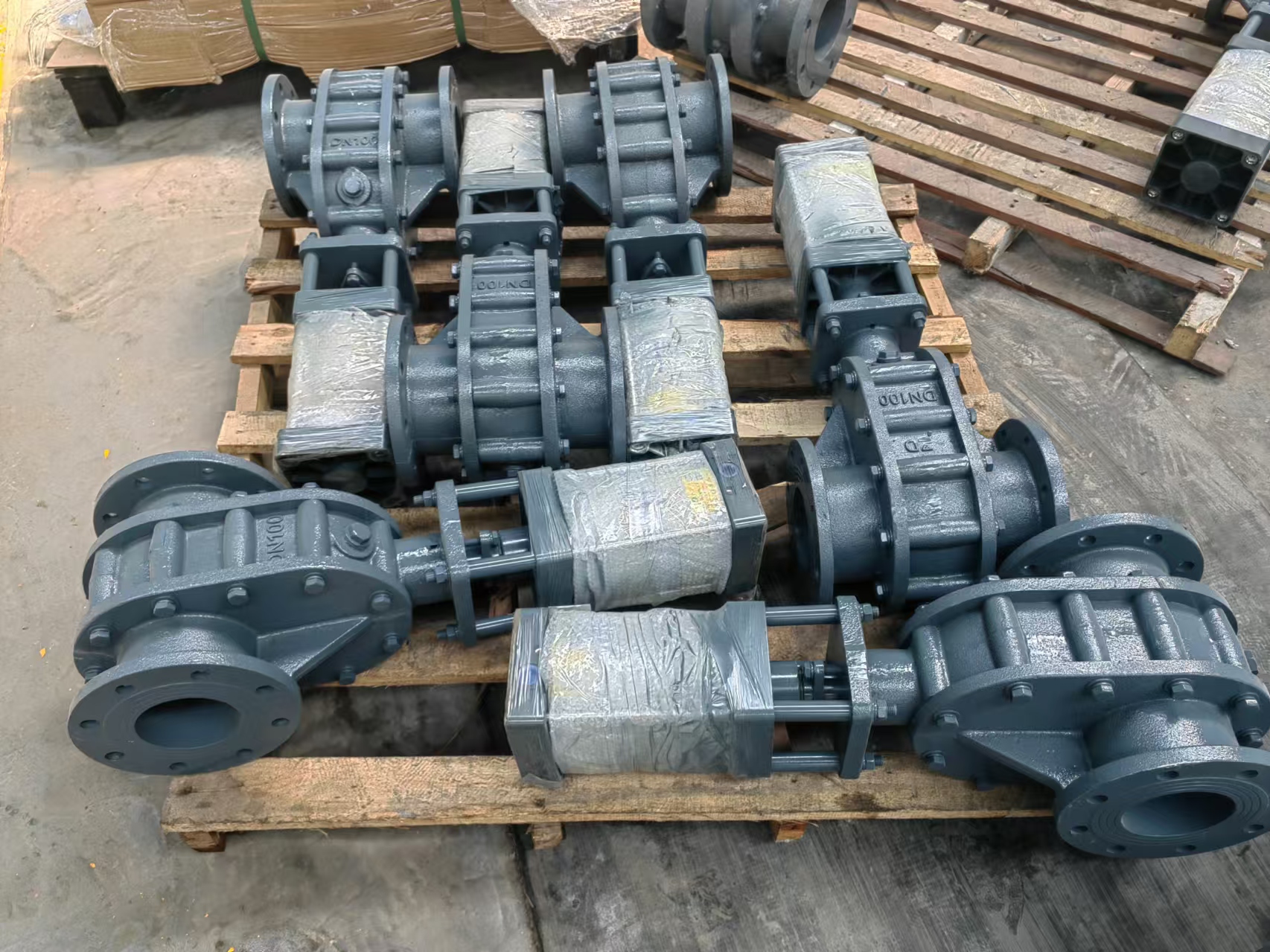
除了上述三种主要的输送方式外,气力输送系统还包括一些辅助设备,如换向阀、直角弯头等。换向阀可以实现物料的分流或并流,增强了气力输送系统的供应能力。直角弯头则可以有效延长弯头在气力输送耐磨物料时的使用寿命,降低磨损和运行成本。
In addition to the three main conveying methods mentioned above, the pneumatic conveying system also includes some auxiliary equipment, such as directional valves, right angle elbows, etc. The directional valve can achieve the diversion or parallel flow of materials, enhancing the supply capacity of the pneumatic conveying system. Right angle elbows can effectively extend the service life of elbows in pneumatic conveying of wear-resistant materials, reduce wear and operating costs.
总之,气力输送系统是一种高效、节能、环保的工业输送技术。不同类型的气力输送系统具有不同的工作原理和应用场景,企业在选择时应根据自身的需求和物料特性进行综合考虑。随着工业技术的不断发展,气力输送系统的性能和应用范围也将不断提升和扩大,为工业生产的发展做出更大的贡献。
In short, pneumatic conveying system is an efficient, energy-saving, and environmentally friendly industrial conveying technology. Different types of pneumatic conveying systems have different working principles and application scenarios. When choosing, enterprises should comprehensively consider their own needs and material characteristics. With the continuous development of industrial technology, the performance and application scope of pneumatic conveying systems will also continue to improve and expand, making greater contributions to the development of industrial production.

气力输送系统全解析:从密相到负压,一文读懂不同输送方式的工作原理与应用场景 Full analysis of pneumatic conveying system: from dense pha
联系电话
二维码

 您的位置:
您的位置: