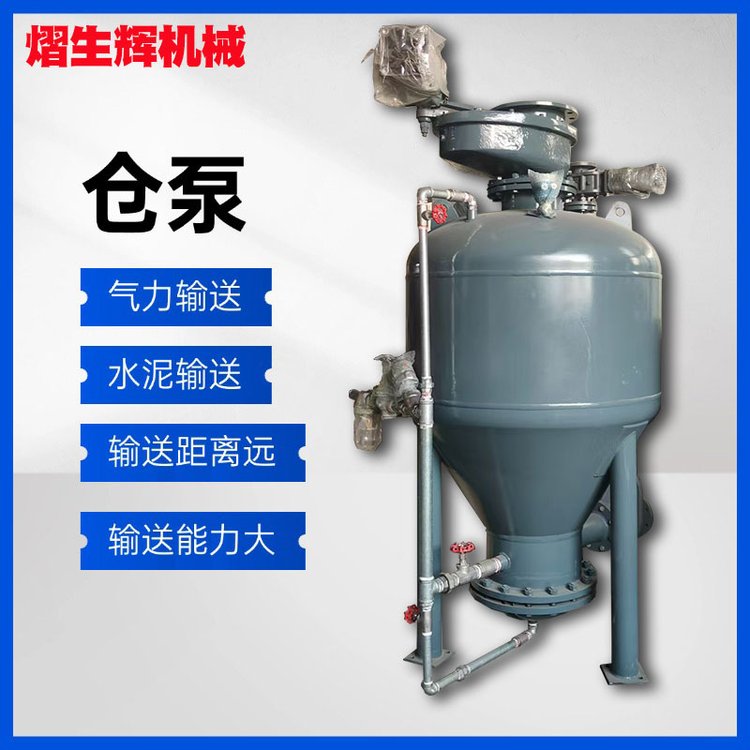
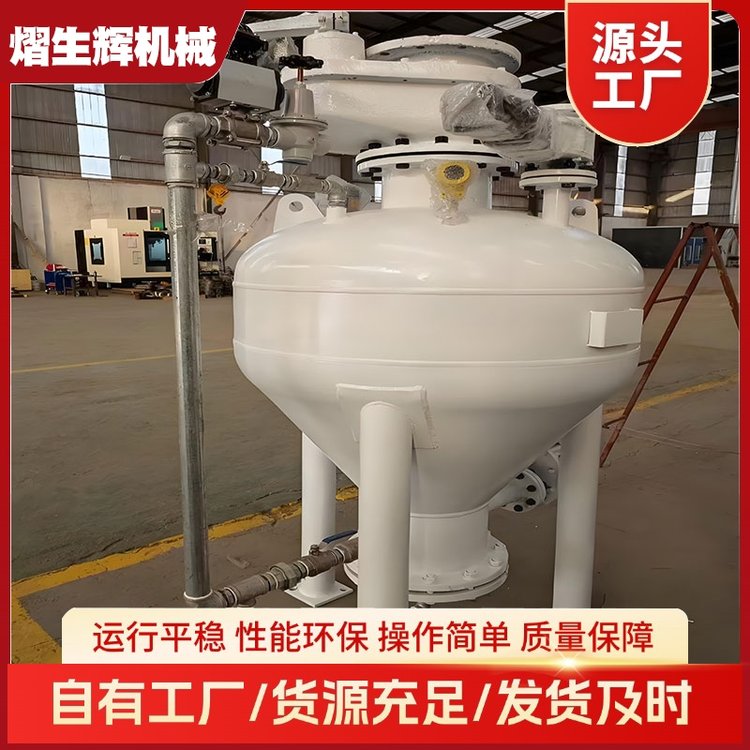
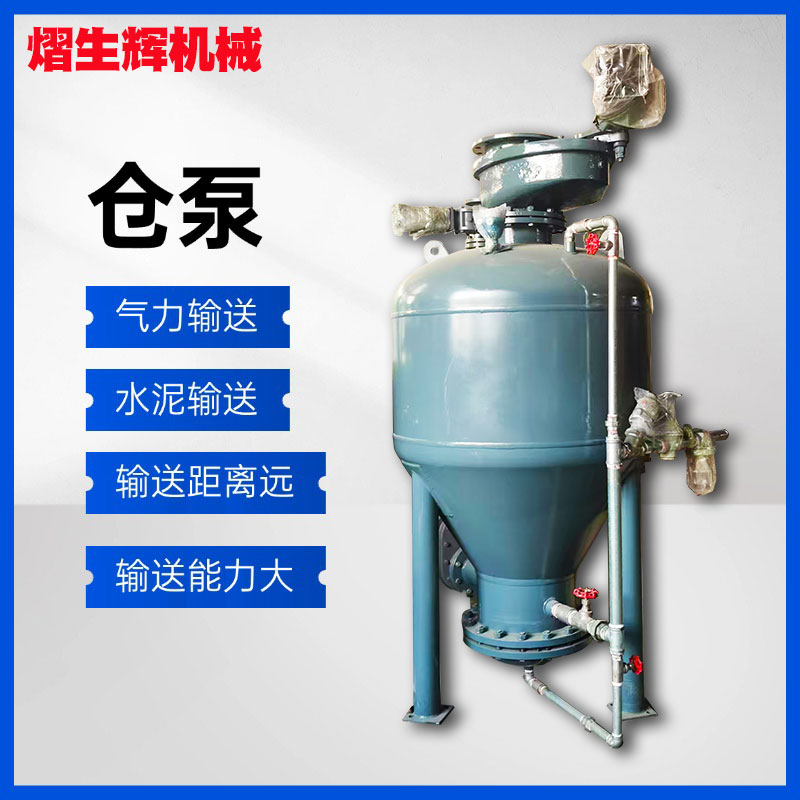
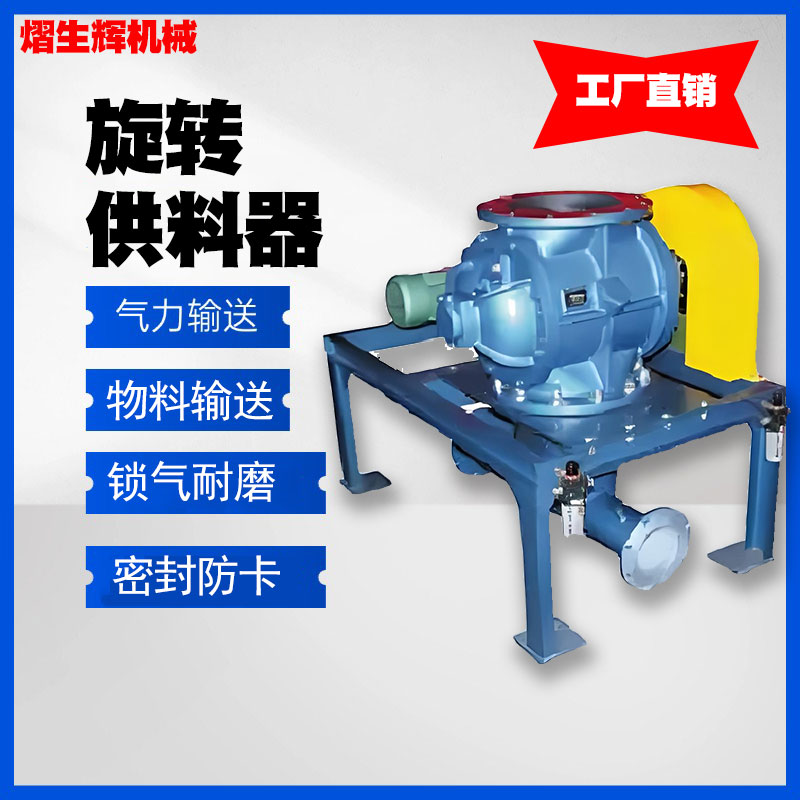
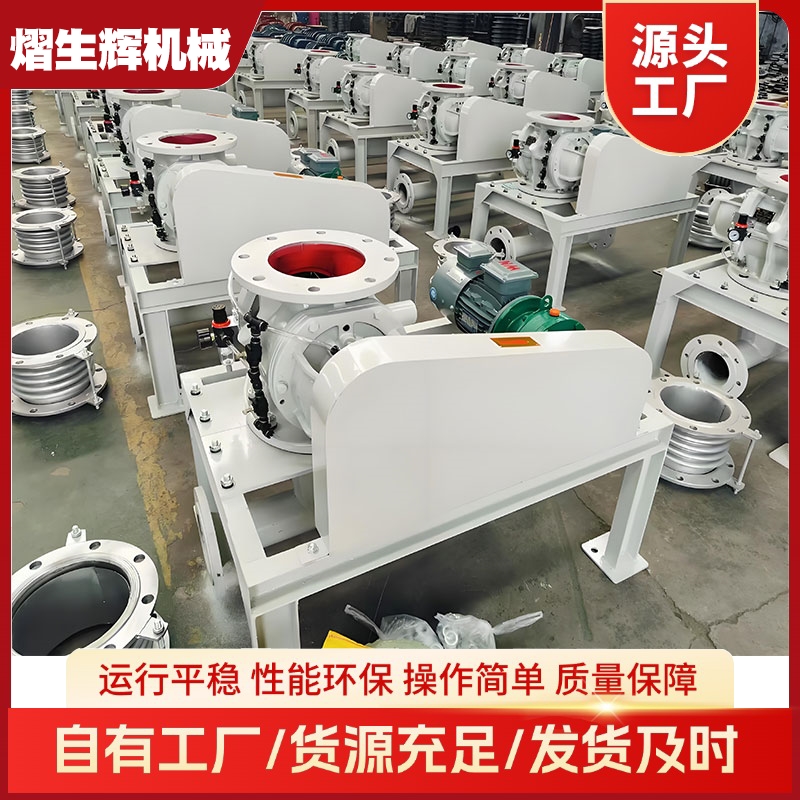
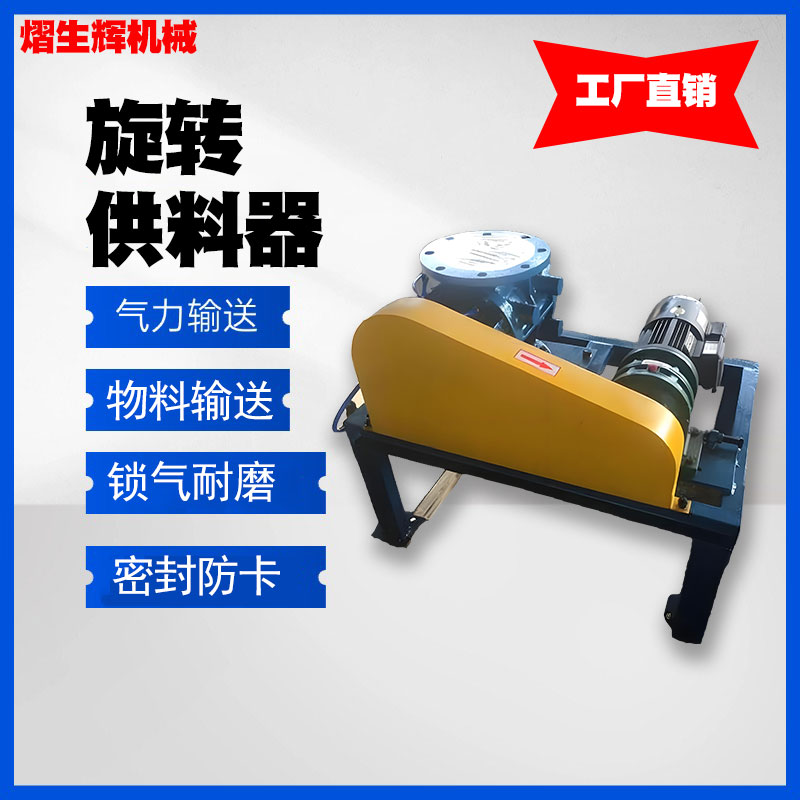
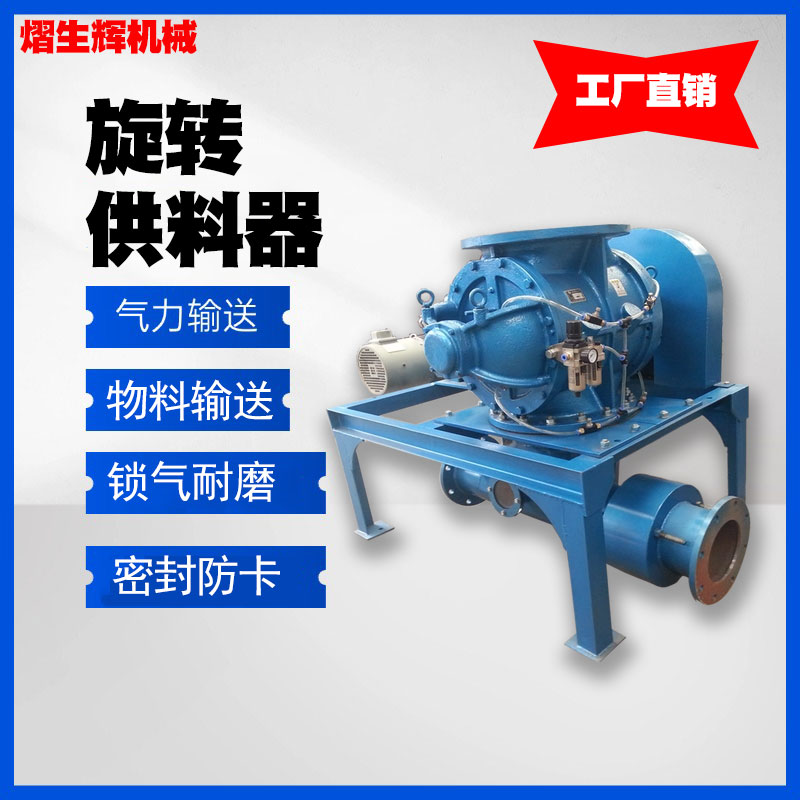
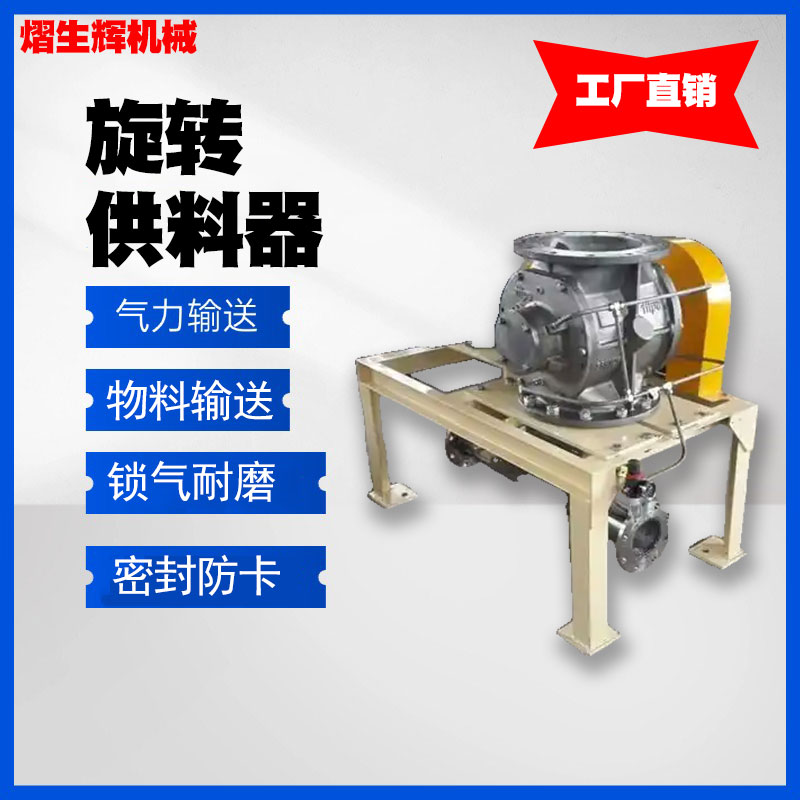
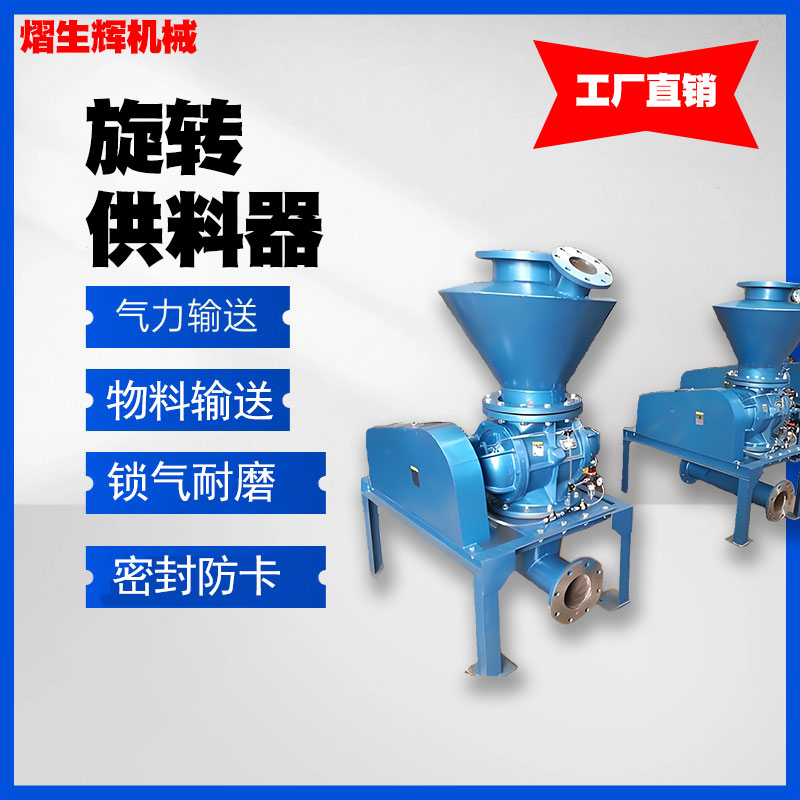
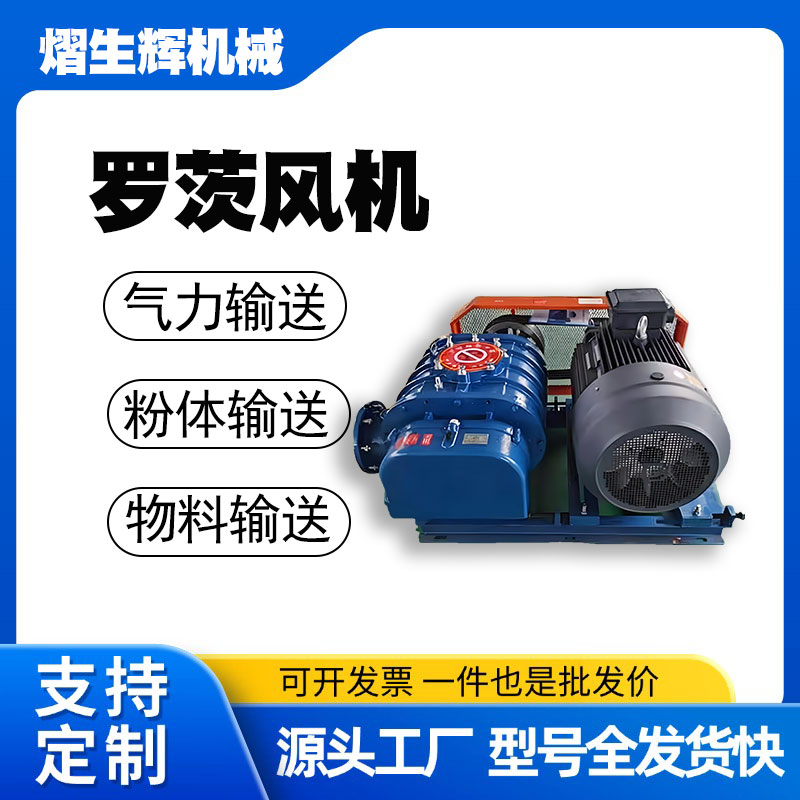
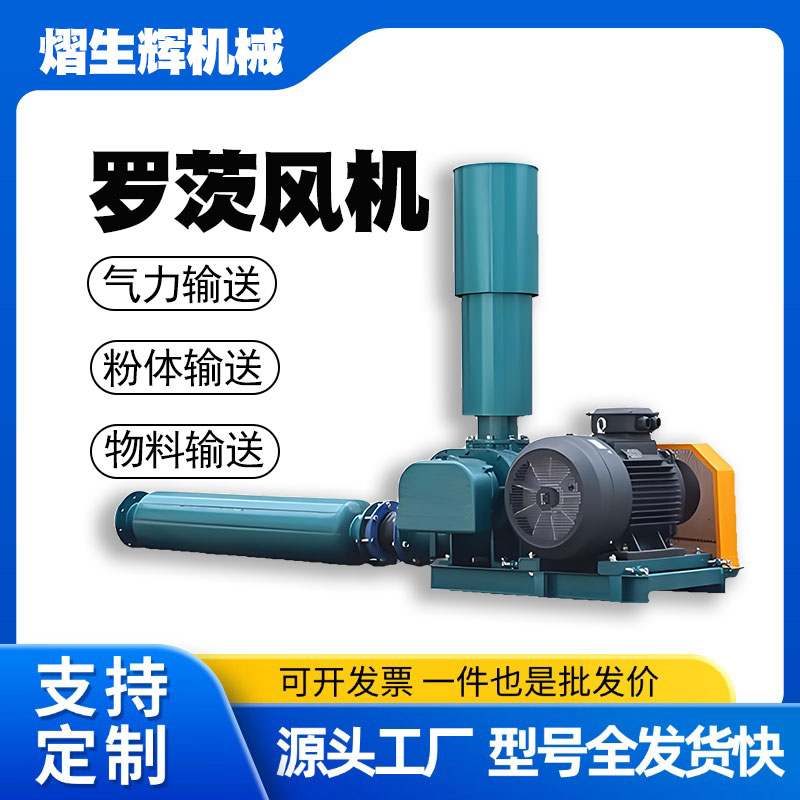
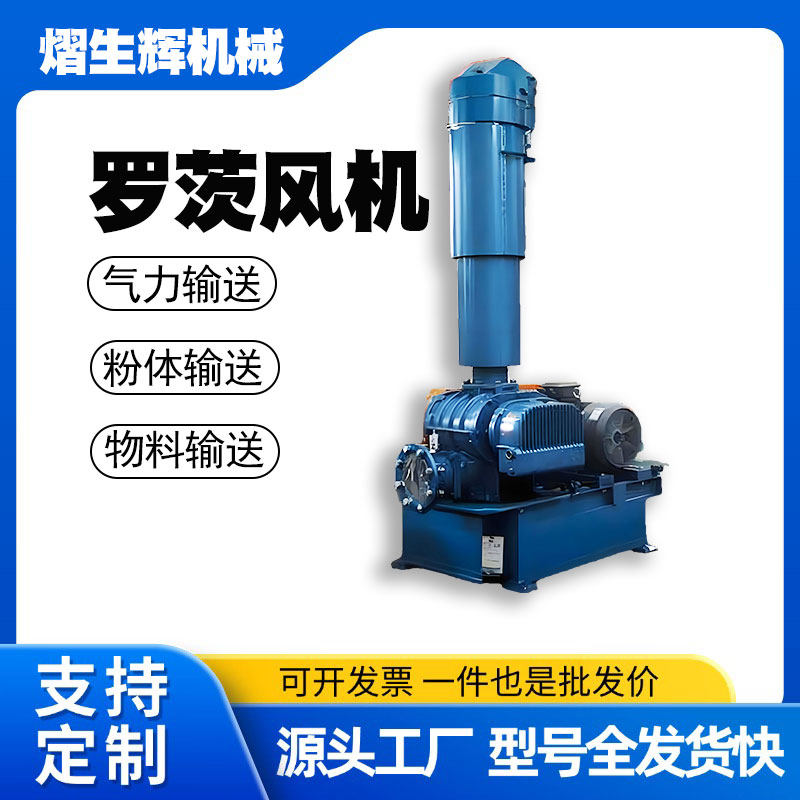
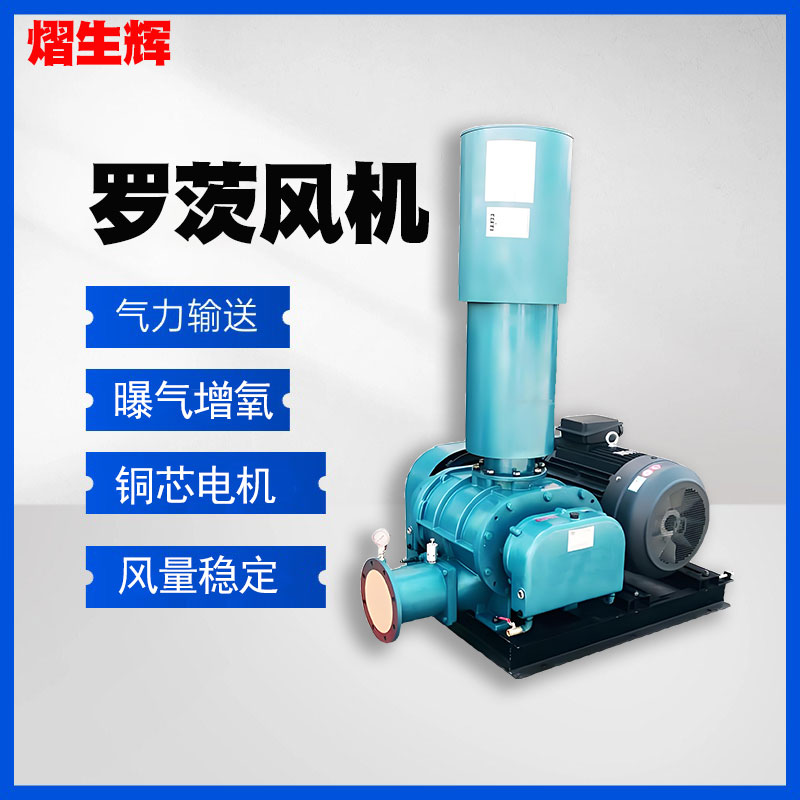
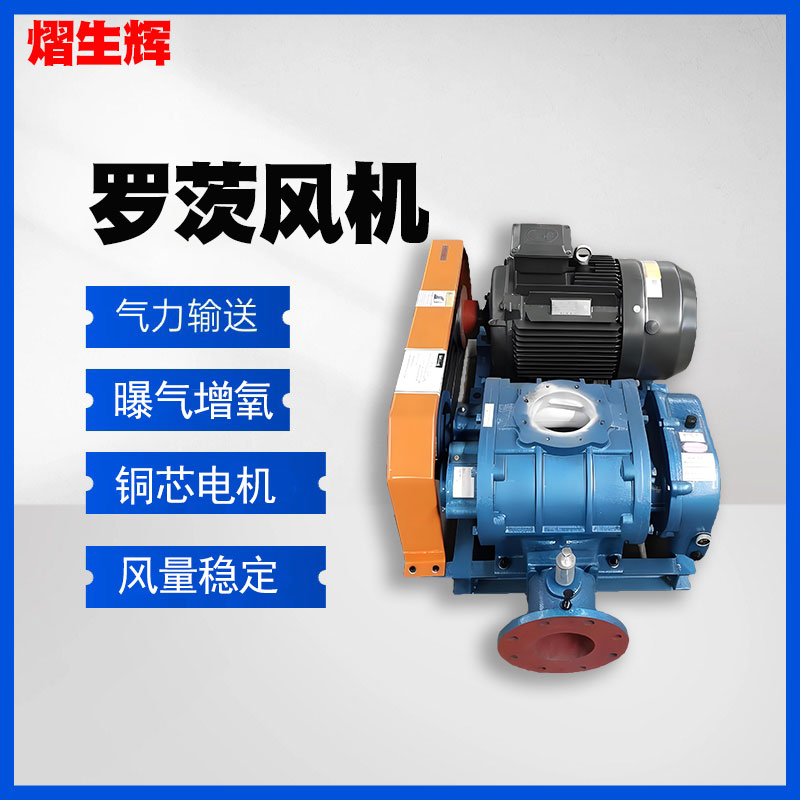
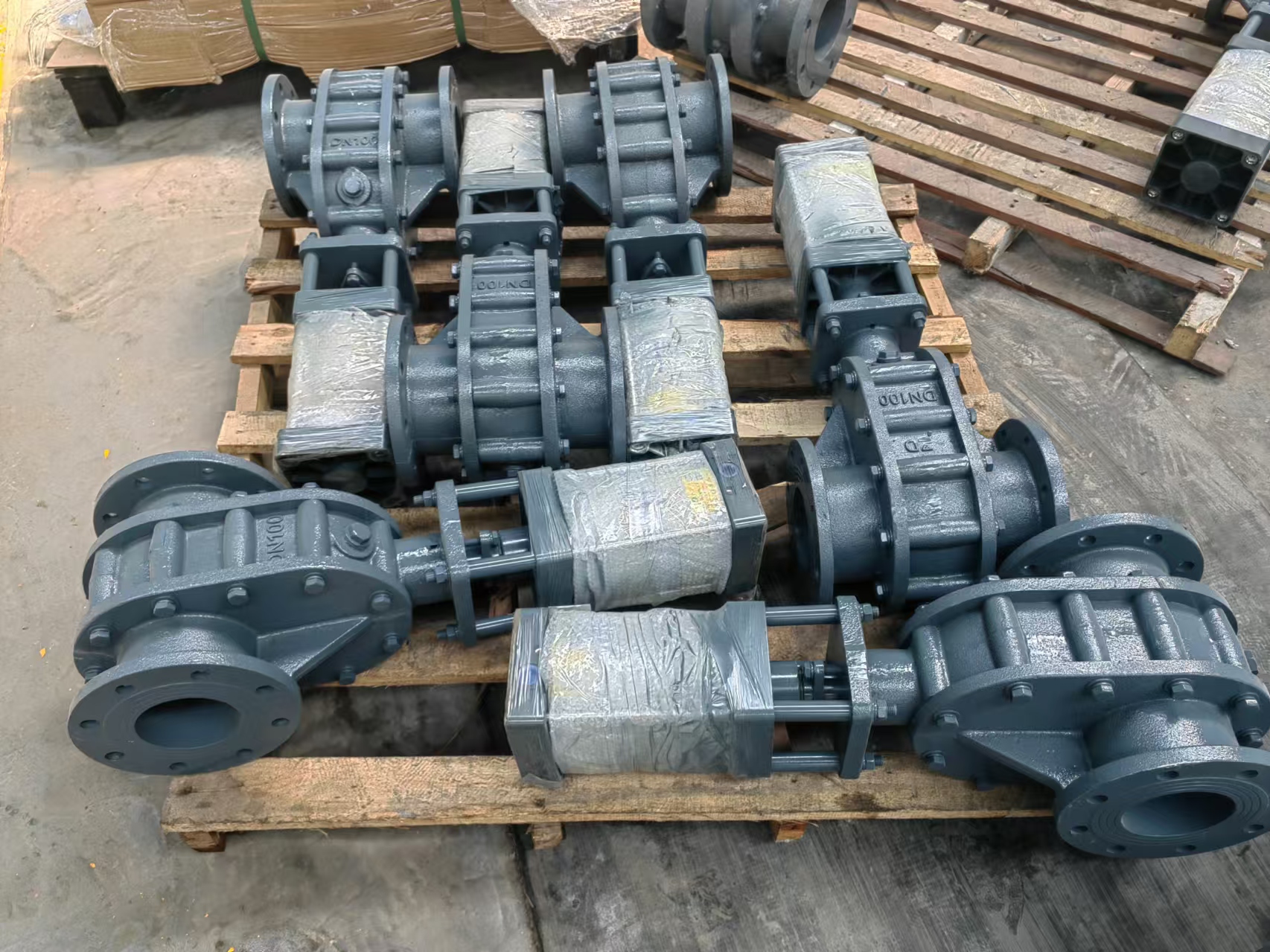
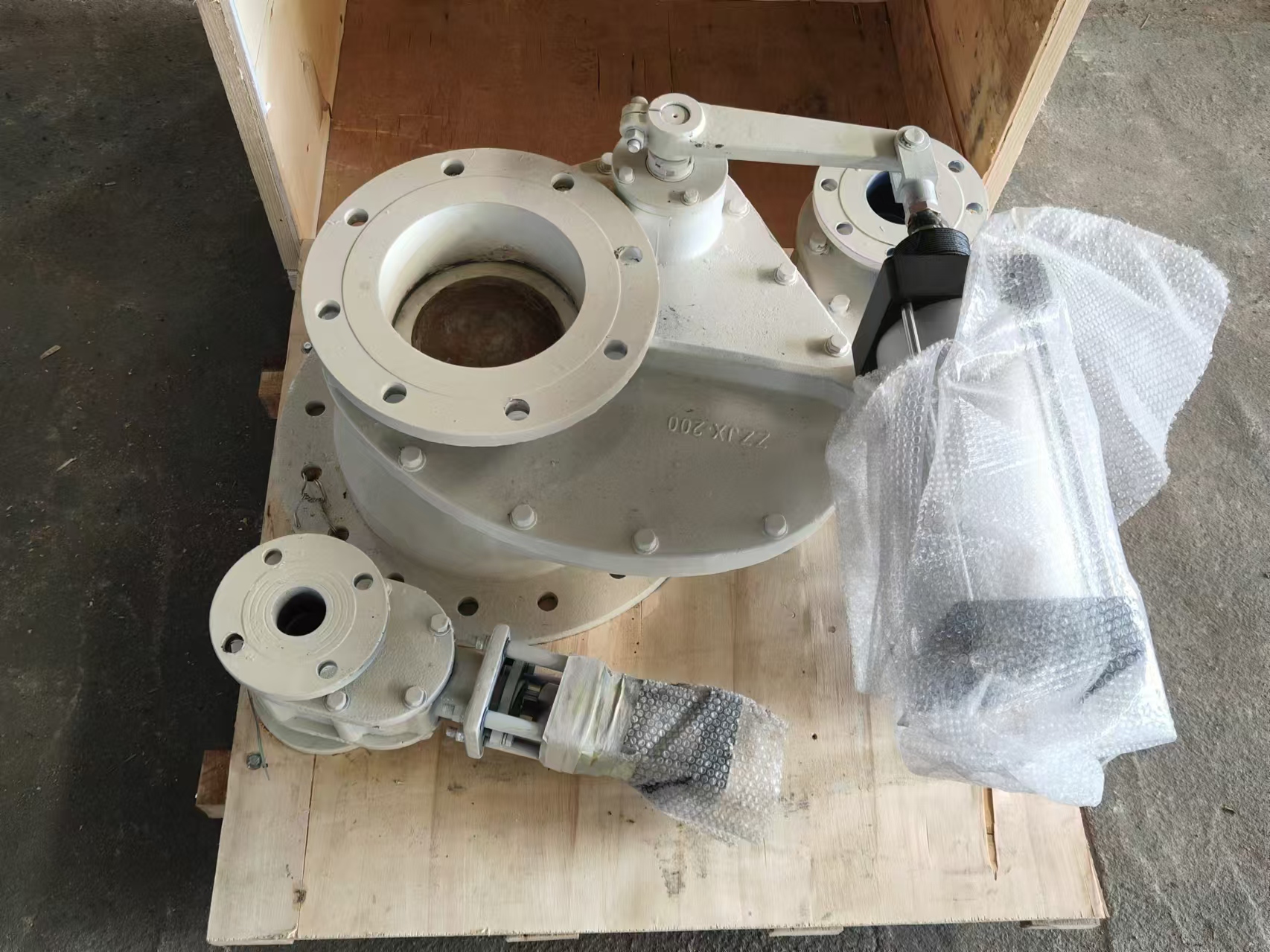
在现代化的工厂车间里,我们常常能看到巨大的筒仓和纵横交错的管道,却很少见到工人肩扛手抬地搬运粉末或颗粒物料。这背后,离不开一项关键技术的支持——气力输送系统。它如同工业生产的“无形动脉”,利用气流的力量,在密闭管道中快捷、清洁地输送大量散装物料。
In modern factory floors, we often see huge silos and criss-crossing pipelines, but rarely do we see workers carrying powder or granular materials on their shoulders or by hand. Behind this, there is a crucial technology - the pneumatic conveying system. It is like the "invisible artery" of industrial production, utilizing the power of airflow to efficiently and cleanly transport large quantities of bulk materials in enclosed pipelines.
什么是气力输送?
What is pneumatic conveying?
简单来说,气力输送就是利用流动的气体(通常是空气)作为载体,在封闭管道中输送粉状或颗粒状物料的技术。它的核心原理与吸尘器有异曲同工之妙,只不过规模更大、系统更复杂。
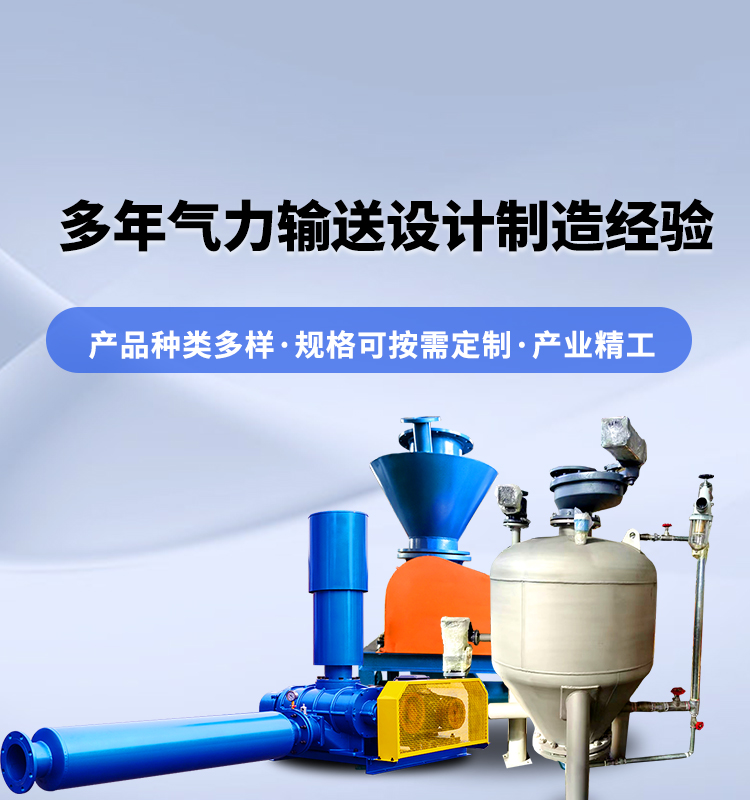
In simple terms, pneumatic conveying is a technology that utilizes flowing gas (usually air) as a carrier to transport powdered or granular materials within enclosed pipelines. Its core principle is similar to that of a vacuum cleaner, albeit on a larger scale and with a more complex system.
从物理学角度看,当气流的速度足够大时,气流对颗粒产生的“曳力”会克服颗粒自身的重力,从而带动物料向前运动。这与自然界中“风吹沙粒”的现象本质上是相同的。通过这种方式,物料可以像“乘快递”一样,从给料点被合理、连续地输送到卸料点。
From a physical perspective, when the speed of the airflow is sufficient, the "drag force" exerted by the airflow on the particles will overcome the particles' own gravity, thereby propelling the material forward. This is essentially the same phenomenon as "wind blowing sand grains" in nature. In this way, the material can be precisely and continuously transported from the feeding point to the discharge point, just like "taking an express delivery".
两大主流输送模式
根据物料在管道中的分布状态,气力输送主要分为两大流派:
稀相输送(悬浮输送)
在这种模式下,气流速度较高(通常大于15m/s),物料浓度较低。物料颗粒完全悬浮在高速气流中,分布均匀。
Based on the distribution state of materials in the pipeline, pneumatic conveying is primarily divided into two major schools: dilute-phase conveying (suspended conveying). In this mode, the airflow velocity is relatively high (usually greater than 15m/s), and the material concentration is low. Material particles are completely suspended in the high-speed airflow, with uniform distribution.
优点:系统设计相对简单,输送过程稳定。
Advantages: The system design is relatively simple, and the conveying process is stable.
适用:适合密度较轻、流动性好、不易破碎的物料,如面粉、淀粉、塑料颗粒等。
Application: Suitable for materials with light density, good fluidity, and low fragility, such as flour, starch, plastic particles, etc.
密相输送(栓流输送)
密相输送采用较低的气流速度(通常小于10m/s)和较高的物料浓度。物料在管道中并非悬浮,而是以沙丘状或柱塞状的形式低速向前推移。
Dense-phase conveying (plug flow conveying) utilizes a relatively low gas flow velocity (typically less than 10 m/s) and a high material concentration. The material does not suspend in the pipeline, but instead moves forward at low speed in a dune-like or plug-like formation.
优点:能耗较低,管道磨损小,且能出彩大减少物料的破碎。
Advantages: Low energy consumption, minimal pipeline wear, and significant reduction in material breakage.
适用:非常适合水泥、粉煤灰等磨蚀性强,或容易破碎的高价值物料。
Application: It is highly suitable for high-value materials with strong abrasivity, such as cement and fly ash, or materials that are prone to crushing.

在现代化的工厂车间里,我们常常能看到巨大的筒仓和纵横交错的管道,却很少见到工人肩扛手抬地搬运粉末或颗粒物料。这背后,离不开一项关键技术的支持——气力输送系统。它如同工业生产的“无形动脉”,利用气流的力
联系电话
二维码

 您的位置:
您的位置: