在食品、化工或建材行业的生产线升级中,气力输送系统往往是解决物料搬运难题的优选。然而,面对市场上琳琅满目的设备,企业该如何进行科学选型,才能既保证生产效率,又实现长期的降本增效?
In the upgrade of production lines in the food, chemical, or building materials industries, pneumatic conveying systems are often the first choice for solving material handling challenges. However, faced with a wide range of equipment on the market, how can enterprises scientifically select models that can both ensure production efficiency and achieve long-term cost reduction and efficiency improvement?
第一步:合理分析物料特性
物料的物理特性是决定输送系统成败的基石。在选型前,建议明确以下几点:
磨蚀性与脆性:如果物料硬度高(如氧化铝、矿粉),建议选择密相输送并搭配耐磨管道(如陶瓷内衬),以降低管道磨损;如果物料易碎(如某些催化剂、晶体),低风速的密相输送能非常大程度保护物料品质。
Step 1: Accurate Analysis of Material Characteristics The physical characteristics of materials are the cornerstone that determines the success or failure of the conveying system. Before selecting the type, the following points must be clarified: Abrasiveness and Brittleness: If the material has high hardness (such as alumina, mineral powder), dense-phase conveying must be selected and paired with wear-resistant pipelines (such as ceramic lining) to reduce pipeline wear; if the material is fragile (such as certain catalysts, crystals), low-speed dense-phase conveying can maximize the protection of material quality.
卫生与安全要求:在食品和制药行业,系统材质建议采用食品级不锈钢,且设计需符合GMP标准,确保零污染、无死角。对于化工易燃易爆粉尘,则需配置防爆电气和静电导出装置。
Hygiene and safety requirements: In the food and pharmaceutical industries, system materials must be made of food-grade stainless steel, and the design must comply with GMP standards to ensure zero contamination and no dead spaces. For flammable and explosive dust in the chemical industry, explosion-proof electrical equipment and electrostatic discharge devices must be installed.
粘性与含水率:吸湿性强或易结块的物料,需要在气源端增加冷冻式干燥机,控制空气露点,防止物料在管道内受潮堵塞。
Viscosity and moisture content: For materials with strong moisture absorption or prone to caking, a refrigerated dryer should be added at the air source end to control the air dew point and prevent the materials from getting wet and clogged in the pipeline.
第二步:根据工况选择压力模式
气力输送系统的压力模式直接决定了输送的距离和布局方式:
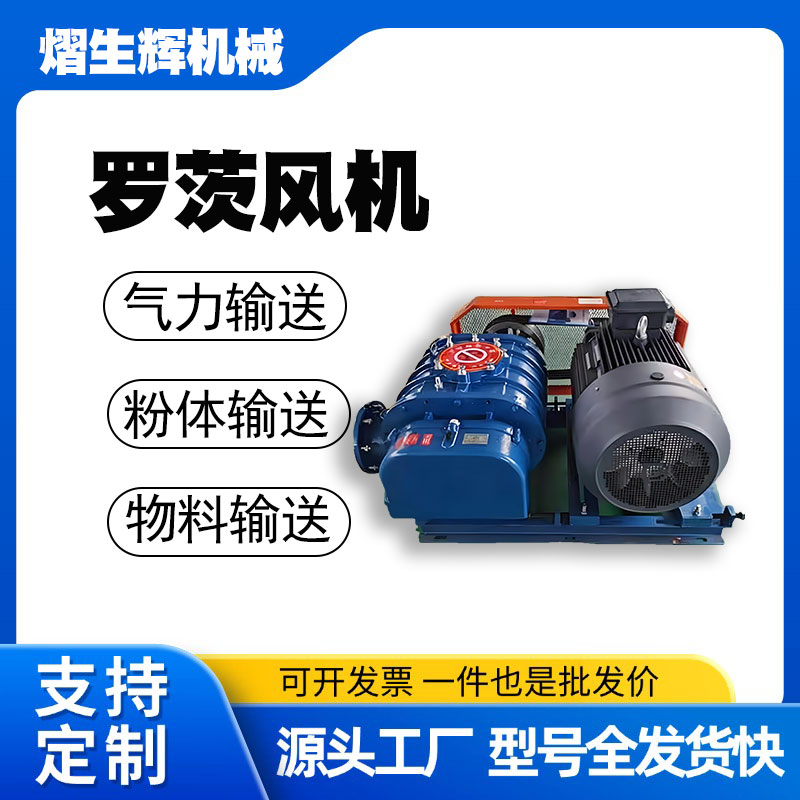
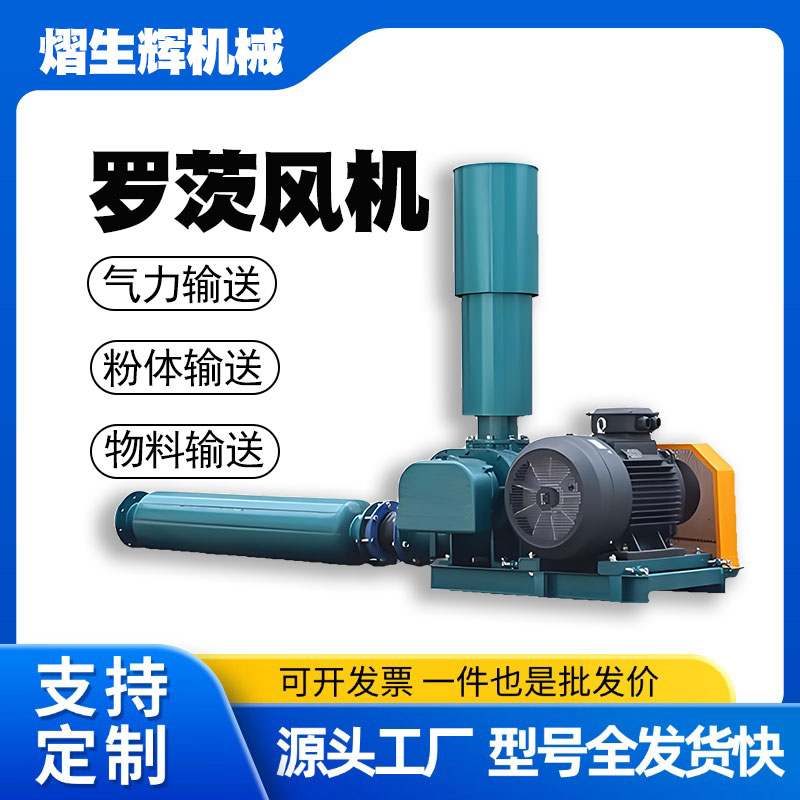
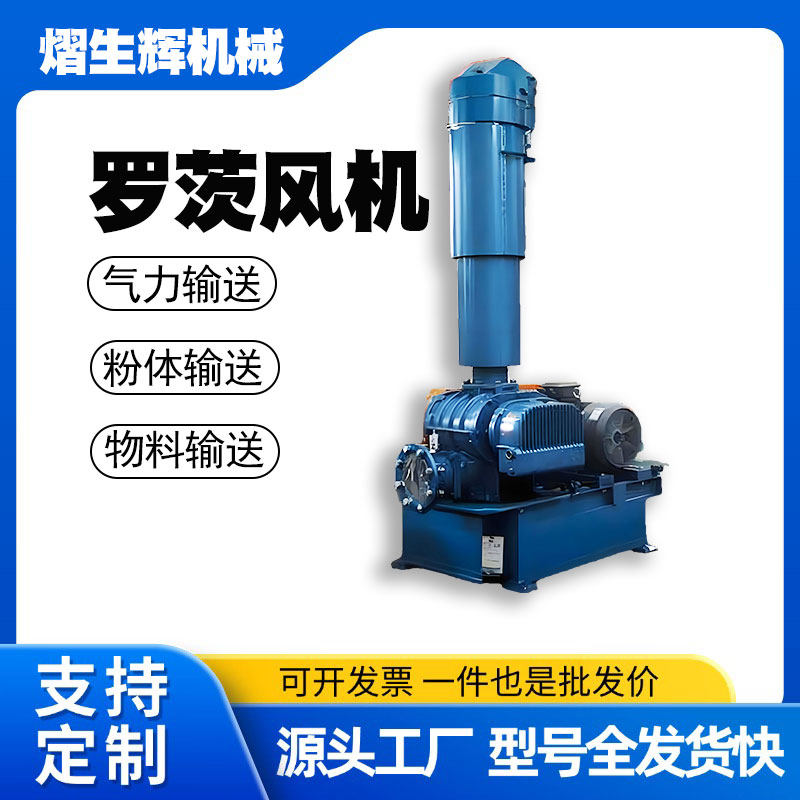
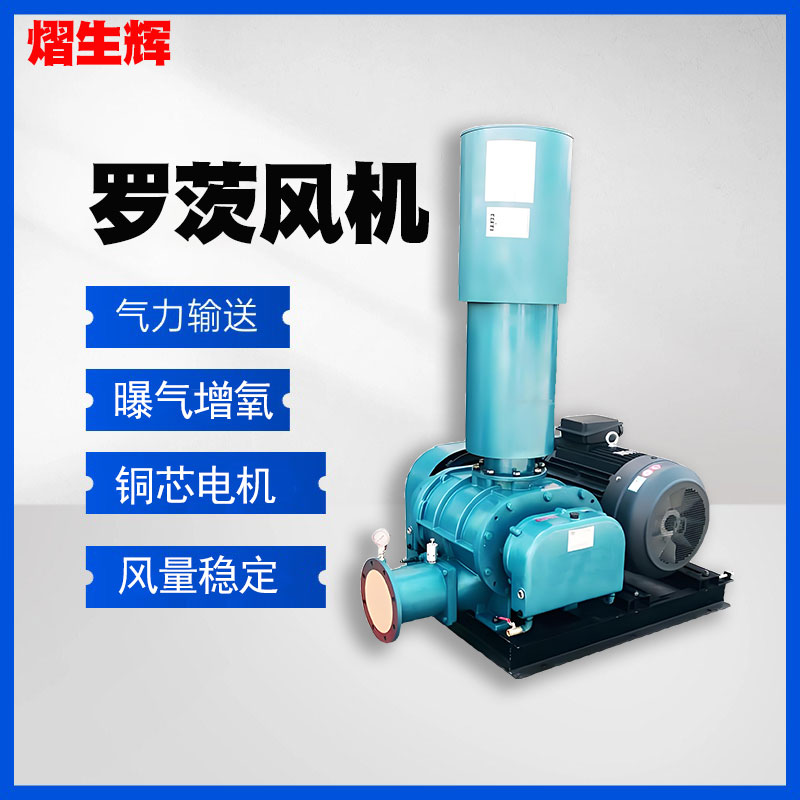
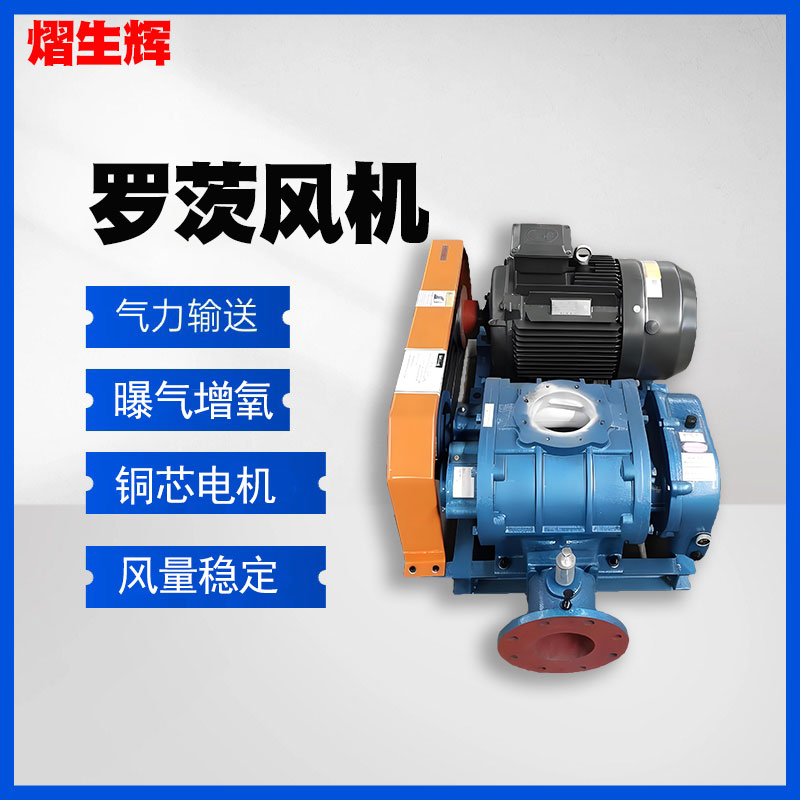
正压输送(推):利用罗茨风机或空压机产生高压空气,将物料“推”向目的地。
Step 2: Select the pressure mode based on the working conditions. The pressure mode of the pneumatic conveying system directly determines the conveying distance and layout: Positive pressure conveying (pushing): Utilize a Roots blower or air compressor to generate high-pressure air, pushing the material towards its destination.
适用场景:适合长距离、大容量的输送,或者需要将物料从一个点输送到多个卸料点(如电厂粉煤灰输送至灰库)。
Application scenario: Suitable for long-distance, high-capacity conveying, or when materials need to be transported from one point to multiple discharge points (such as conveying pulverized coal ash from a power plant to an ash silo).
负压输送(吸):在系统末端使用真空泵抽吸,管道内形成负压,将物料“吸”入。
Negative pressure conveying (suction): A vacuum pump is used at the end of the system to create negative pressure within the pipeline, thereby "suctioning" the material into the system.
适用场景:适合短距离、多点取料的场景。由于管道内处于负压状态,即使有破损也不会向外喷灰,非常适合从卡车、吨袋等多点收集物料。
Application scenario: Suitable for short-distance, multi-point material retrieval scenarios. Due to the negative pressure within the pipeline, even if there is damage, no ash will spray outwards, making it highly suitable for collecting materials from multiple points such as trucks and ton bags.
正负压组合:结合了上述两者的优点,适用于复杂的输送布局,既能多点吸料,又能长距离正压输送。
Positive and negative pressure combination: Combining the advantages of the above two, it is suitable for complex conveying layouts, capable of both multi-point suction and long-distance positive pressure conveying.
第三步:关注核心组件与智能化控制
一套优良的气力输送系统,离不开精良的硬件与聪明的“大脑”:
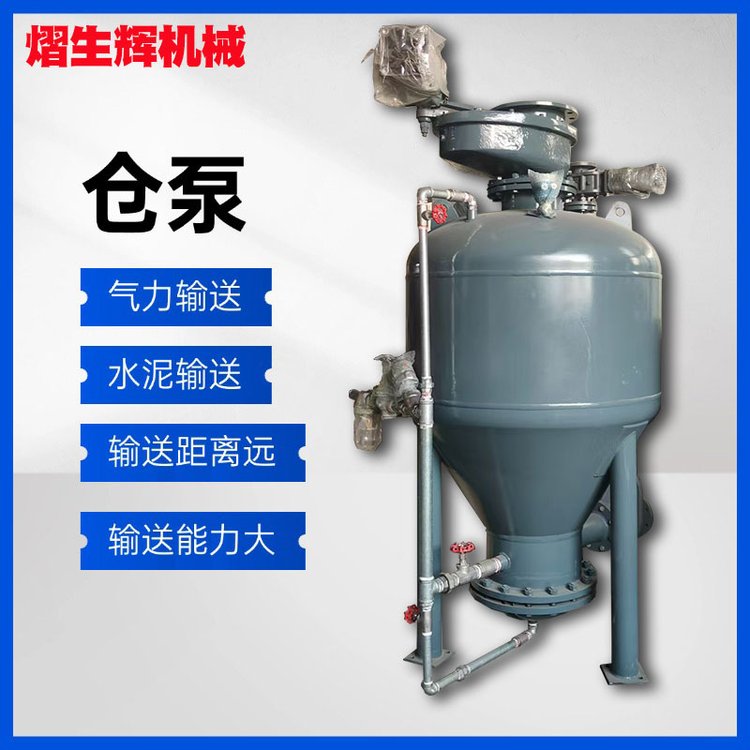
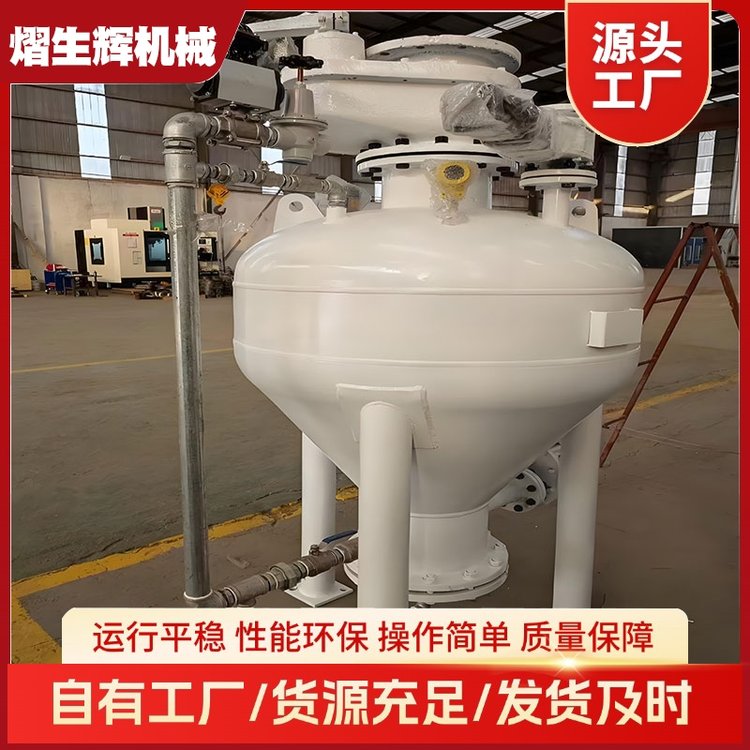
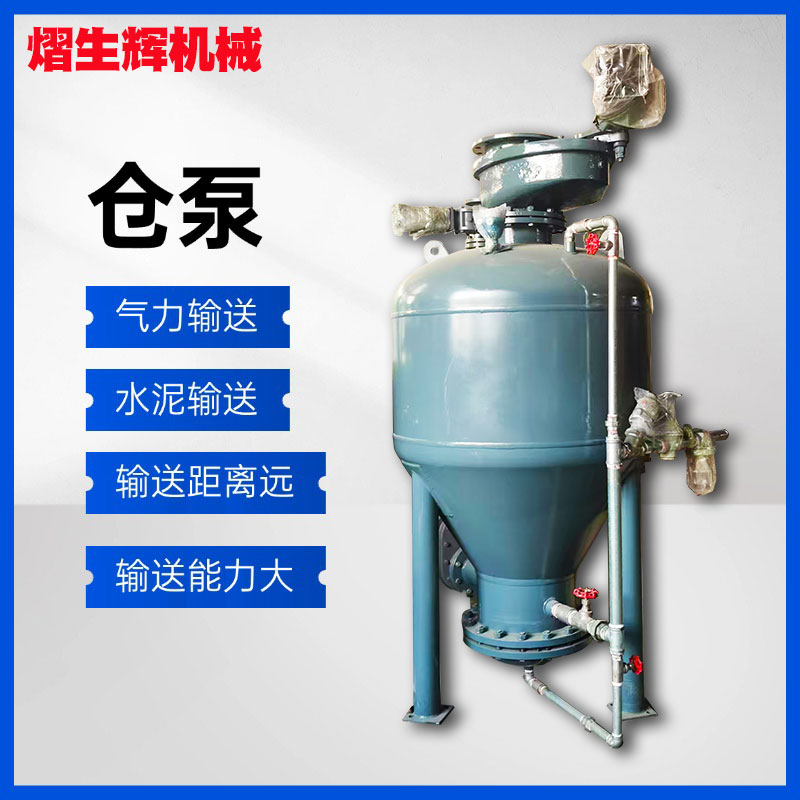
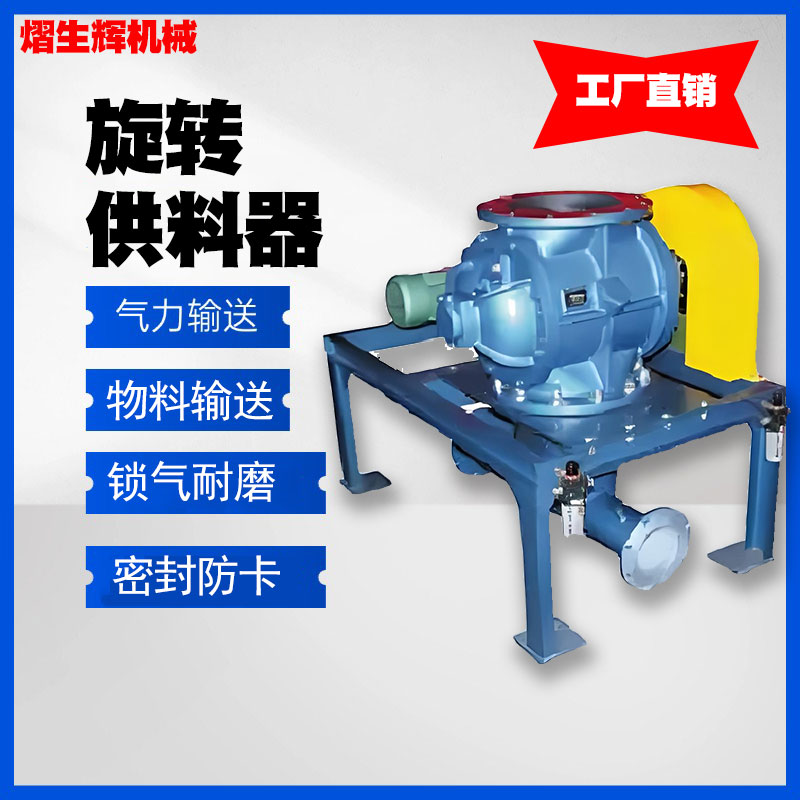
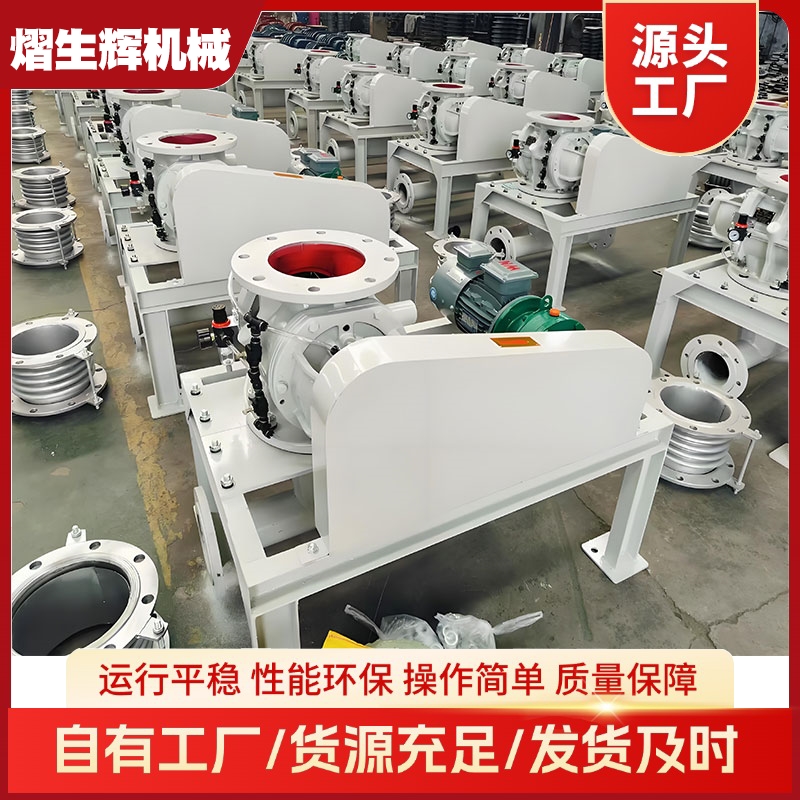
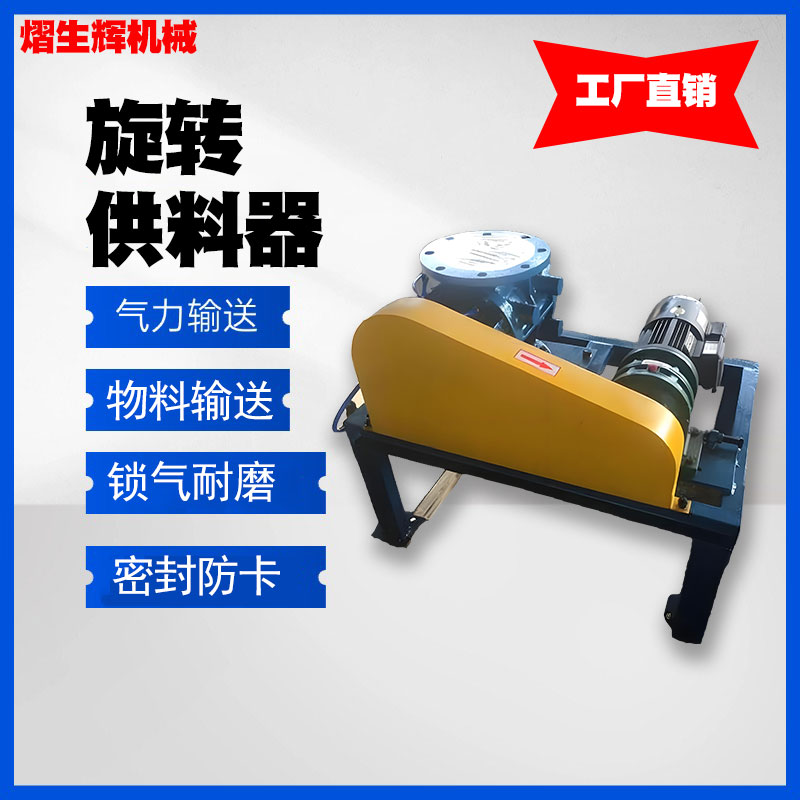
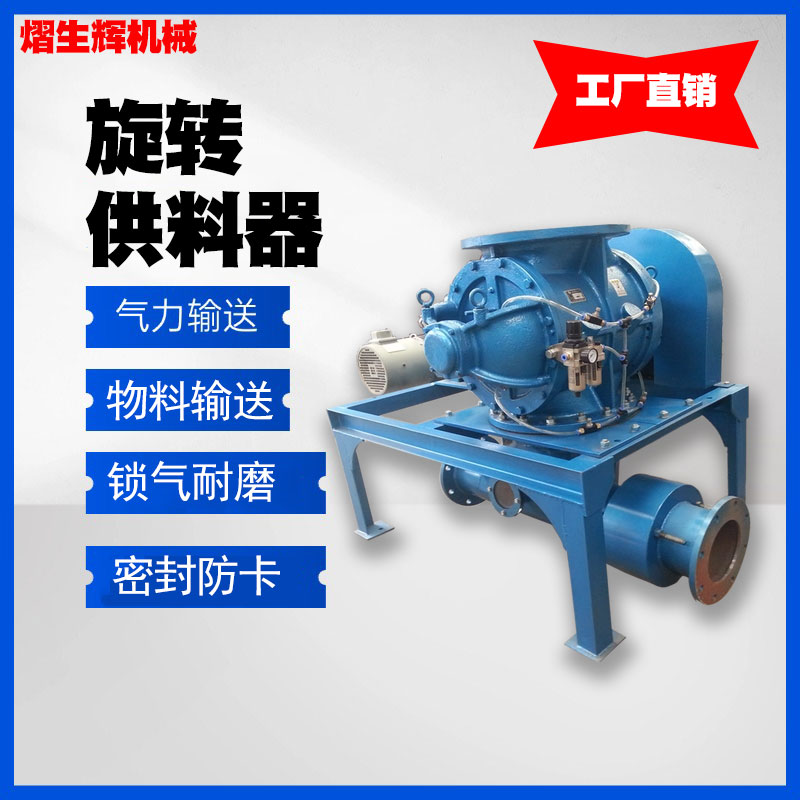
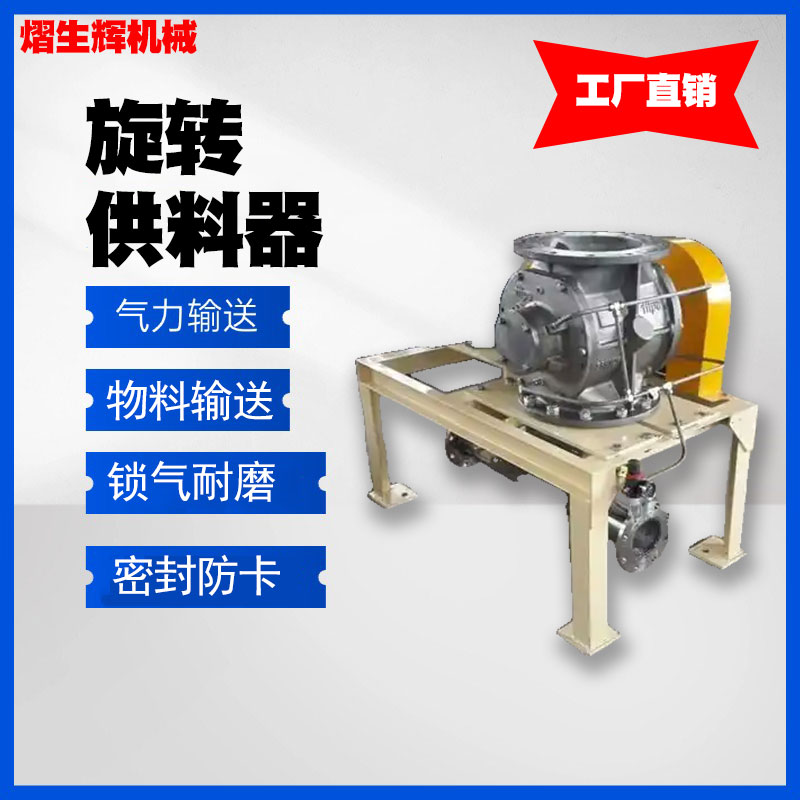
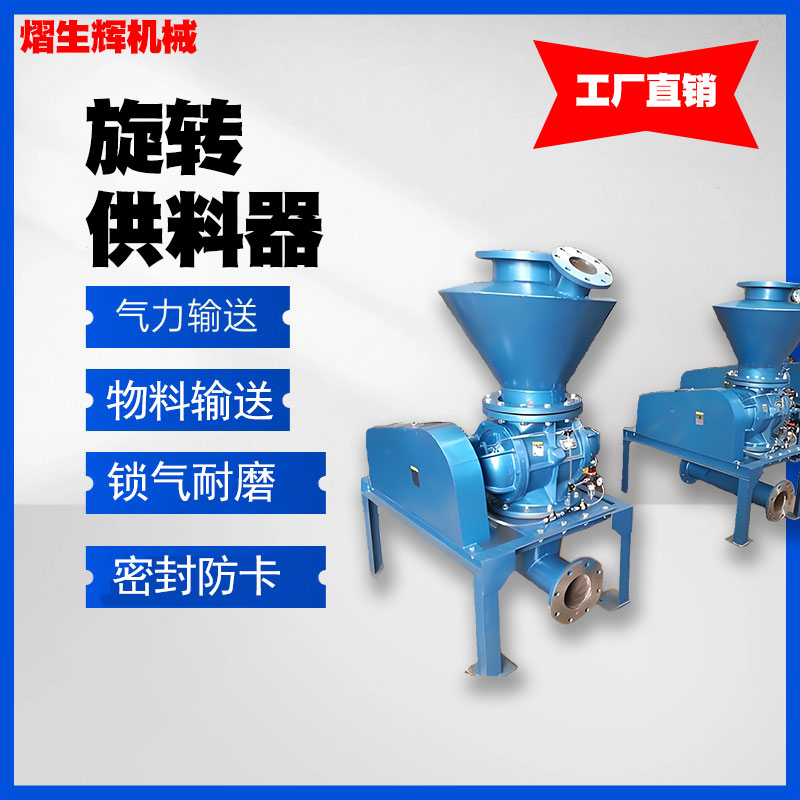
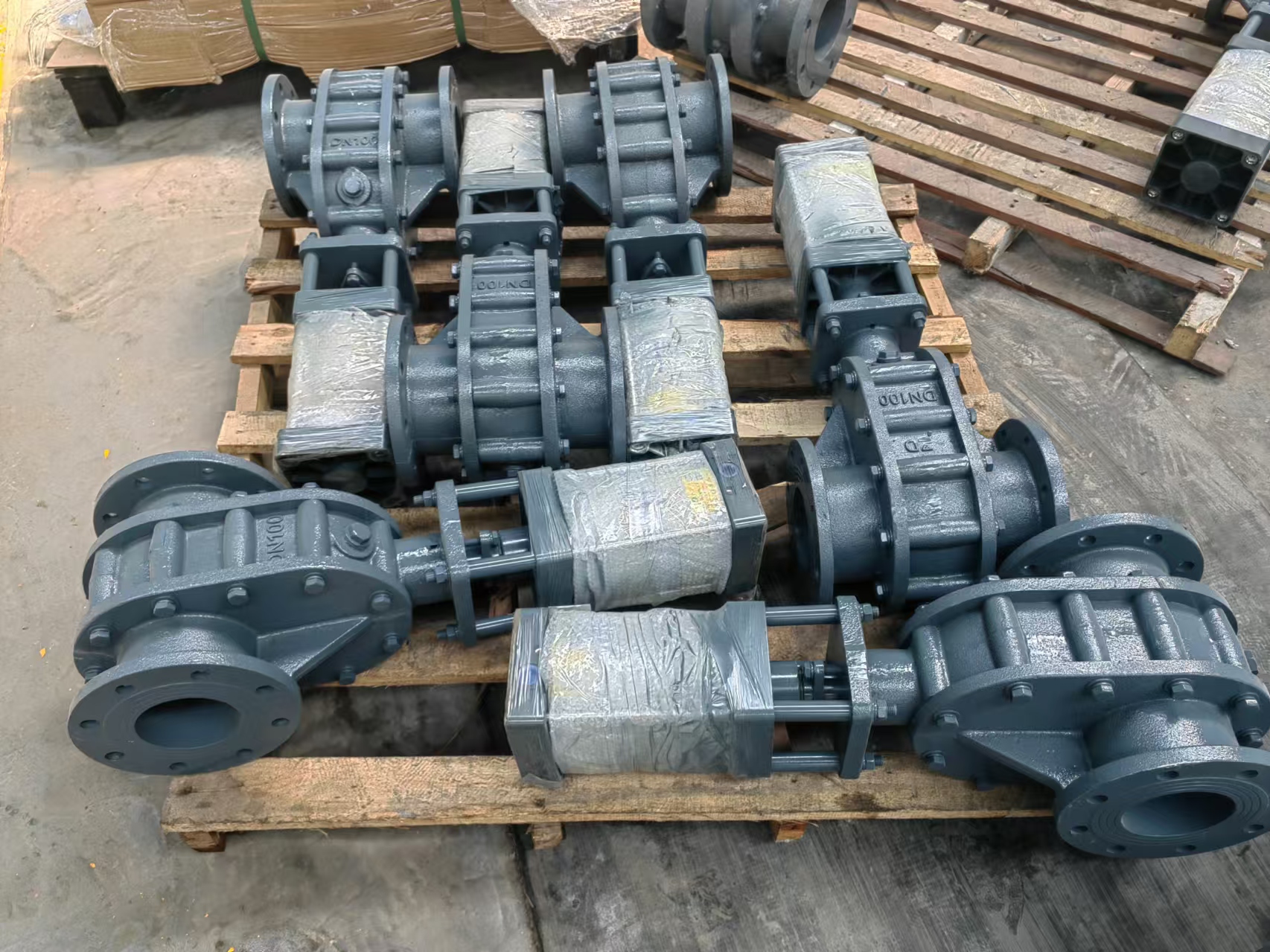
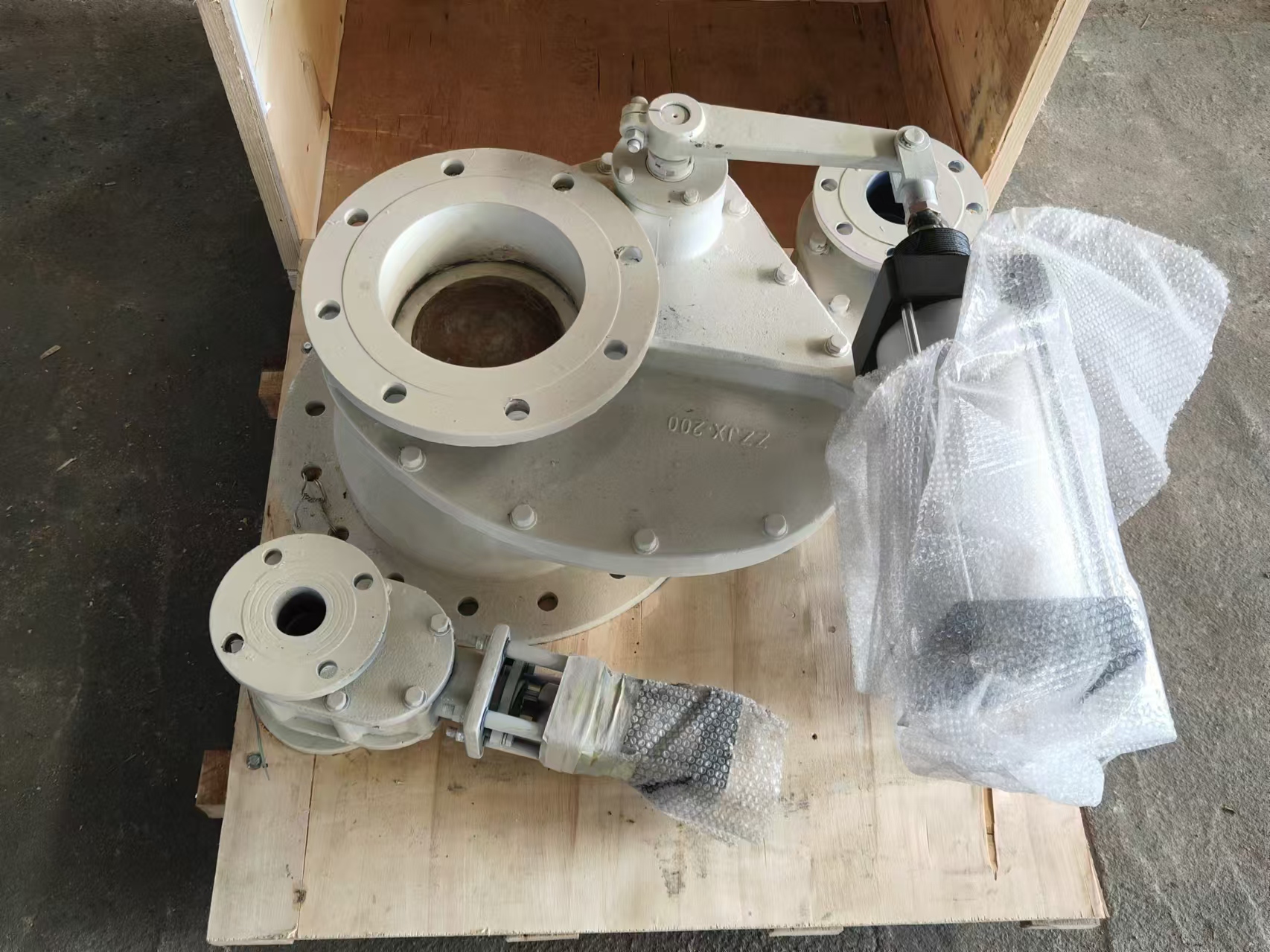
供料装置:旋转阀、发送罐(仓泵)等供料器的选择至关重要。例如,易流化的细粉适合旋转阀供料,而高磨蚀性物料则需特殊设计的供料器。
Step 3: Focus on core components and intelligent control. A high-quality pneumatic conveying system cannot be separated from excellent hardware and a smart "brain": Feeding device: The selection of rotary valves, sending tanks (bin pumps), and other feeding devices is crucial. For example, easily fluidizable fine powders are suitable for rotary valve feeding, while highly abrasive materials require specially designed feeding devices.
分离与除尘:终端的旋风分离器和布袋除尘器决定了物料的回收率和排放是否达标,需根据物料的粒径分布进行合理匹配。
Separation and dust removal: The cyclone separator and bag filter at the terminal determine the recovery rate of materials and whether emissions meet standards. Precise matching is required based on the particle size distribution of the materials.
智能控制系统:现代系统应配备PLC智能控制,能够实时监测压力、流量和料位。优秀的系统甚至能利用AI算法自动调节风量和输送周期,在防止堵管的前提下,将能耗降至非常低。
Intelligent control system: Modern systems should be equipped with PLC intelligent control, capable of real-time monitoring of pressure, flow rate, and material level. Excellent systems can even utilize AI algorithms to automatically adjust air volume and conveying cycles, minimizing energy consumption while preventing tube blockage.
结语
Conclusion
在食品、化工或建材行业的生产线升级中,气力输送系统往往是解决物料搬运难题的优选。然而,面对市场上琳琅满目的设备,企业该如何进行科学选型,才能既保证生产效率,又实现长期的降本增效?In the upgr
联系电话
二维码

 您的位置:
您的位置: